🚢 The ETF Up 1,700% That Nobody Wants to Keep
Breakwave's tanker ETF is the best-performing fund of 2026. The reason nobody is holding it is also the reason it went up.
GM, Spotters. This is BotSpot, brought to you by the team behind Lumiwealth. Every week we break down the market stories worth knowing, hand them to Spot, and let him translate them into plain English with a side of chaos.
- 🚢 A tiny $45M ETF returned 1,700% this year. The catch is a big one.
- 🛢️ Oil is climbing again because nobody believes the Hormuz deal is real.
- 🤖 Nvidia is going open-source and it is not being generous. It is being clever.
- 🏦 Wall Street and Nvidia are building a money pipeline that uses AI chips as collateral.
- 📊 CPI drops tomorrow. Tech earnings are already doing the pre-game warm-up.
The Best ETF of 2026 Has a 1,700% Return and a Very Big Problem
The best-performing ETF of 2026 is up 1,700%. It has $45 million in assets. And almost nobody wants to own it overnight.
The Breakwave Tanker Shipping ETF (BWET) bets on crude oil freight futures, the price to ship oil across oceans. When Iran closed the Strait of Hormuz earlier this year, tanker rates went vertical. BWET went with them.
1,700% — BWET's year-to-date return as of Aug 12. The next-best non-leveraged ETF is up 132%. That is not a typo.
Here is the twist. On a typical day, BWET's trading volume is twice its total assets under management. People are sprinting in and out of this fund like it is a revolving door at a casino.
The fund's founder, John Kartsonas, described it plainly: traders love the swings, but nobody wants to park real money there. The reason is the same reason the ETF went up in the first place.
"If there is a normalization in the Strait of Hormuz, you would expect freight rates to come down."
— John Kartsonas, founder of Breakwave Advisors (said very calmly for someone sitting on a rocket)
 One Iran agreement and BWET goes from rocket ship to paperweight.
If a Hormuz deal gets done, freight rates crash. Freight futures crash. BWET crashes. The fund's 1,700% gain is essentially a bet that the Iran conflict stays unresolved.
That is a valid thesis for a short-term trade. It is a terrible foundation for a retirement account. Todd Sohn from Baird Strategas put it well: if a semiconductor ETF were up this much, it would be drowning in inflows. Tankers get tourists.
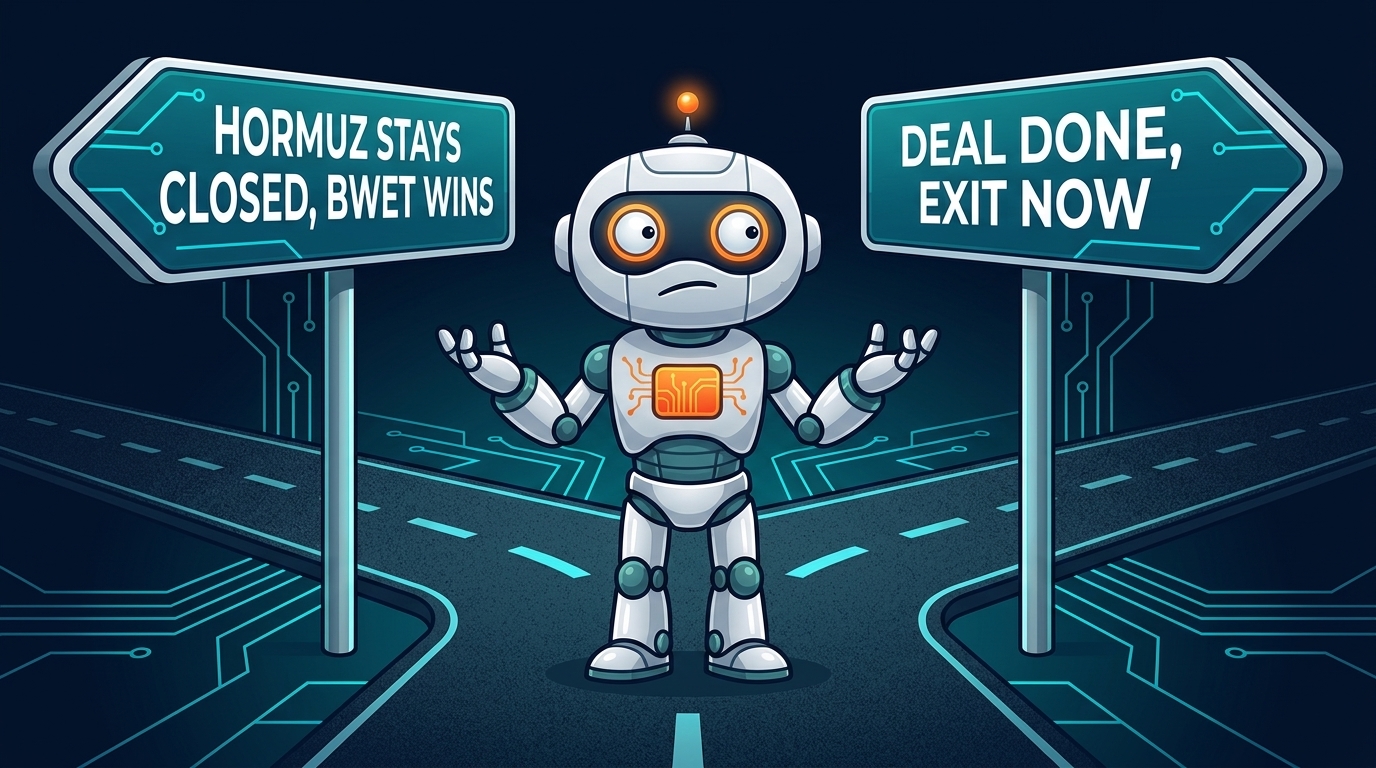
👉 The news is a niche tanker ETF returned 1,700% by riding the Hormuz blockade. The takeaway for you is that the same event that created the gain can erase it overnight, which is why the smart money is trading it, not holding it.
- Watch for any Hormuz diplomatic news. That is the on/off switch for this trade.
- Watch daily volume vs. AUM on BWET. When volume drops relative to assets, sentiment is shifting.
- Watch oil futures alongside BWET. If crude rolls over before a deal, freight futures may follow.
- CPI prints tomorrow morning. Energy prices in that report will tell you how much the Hormuz squeeze is bleeding into inflation.
Explore tanker ETF mechanics on BotSpot
Oil Stays Elevated. What Does That Look Like as a Structure?
Thinking through it
Oil extended gains this week because markets do not believe the Hormuz deal is coming anytime soon. Six months in, the conflict has not cooled. Freight rates are still hot. And CPI prints tomorrow.
A sharp trader might look at this and ask: if I think oil stays sticky into fall, what does a defined-risk way to think about that look like using ETFs or options on oil-related instruments?
The structure below is a thought experiment about how a two-leg options position on an oil ETF like USO could reflect a view that oil stays rangebound-to-higher while limiting downside if a surprise Hormuz deal hits the tape.
Asset: USO (United States Oil Fund ETF) or XLE (Energy Select SPDR ETF) (Options / Energy ETF)
If the Strait of Hormuz remains blocked through fall, oil supply stays constrained and energy ETFs could stay elevated. A defined-risk structure lets you study how traders might express this view without naked exposure to a surprise peace deal.
Mechanics
| Field | Value |
|---|---|
| INSTRUMENT | USO or XLE options |
| STRUCTURE | Bull call spread (buy a call, sell a higher-strike call, same expiry) |
| THESIS DRIVER | Hormuz closure keeps freight and crude elevated through September |
| KEY RISK | A sudden Hormuz deal or ceasefire announcement collapses oil prices fast |
| WATCH FOR | Tomorrow's CPI energy component and any Middle East diplomatic headlines |
Why it matters: The news is oil is extending gains because nobody believes a Hormuz deal is imminent. The takeaway for you is understanding how a defined-risk spread structure limits your exposure to a binary geopolitical event, which is the interesting educational angle here.
For educational purposes only. Not investment advice. Always do your own research.
👉 The interesting thing here is not the direction call on oil. It is the structure. A spread caps your loss to the premium paid no matter what the diplomats do tonight.
The Boring Freight Train: Sector Rotation When Geopolitics Spikes
How it works
Sector rotation is the idea that different parts of the market do well at different points in the economic cycle. When geopolitical stress spikes, energy and defense tend to lead. When it fades, growth and tech take the wheel back.
The strategy watches a simple signal: when oil ETFs or energy-sector ETFs make new multi-week highs, you rotate a portion of the portfolio from broad index exposure into energy. When the signal fades, you rotate back.
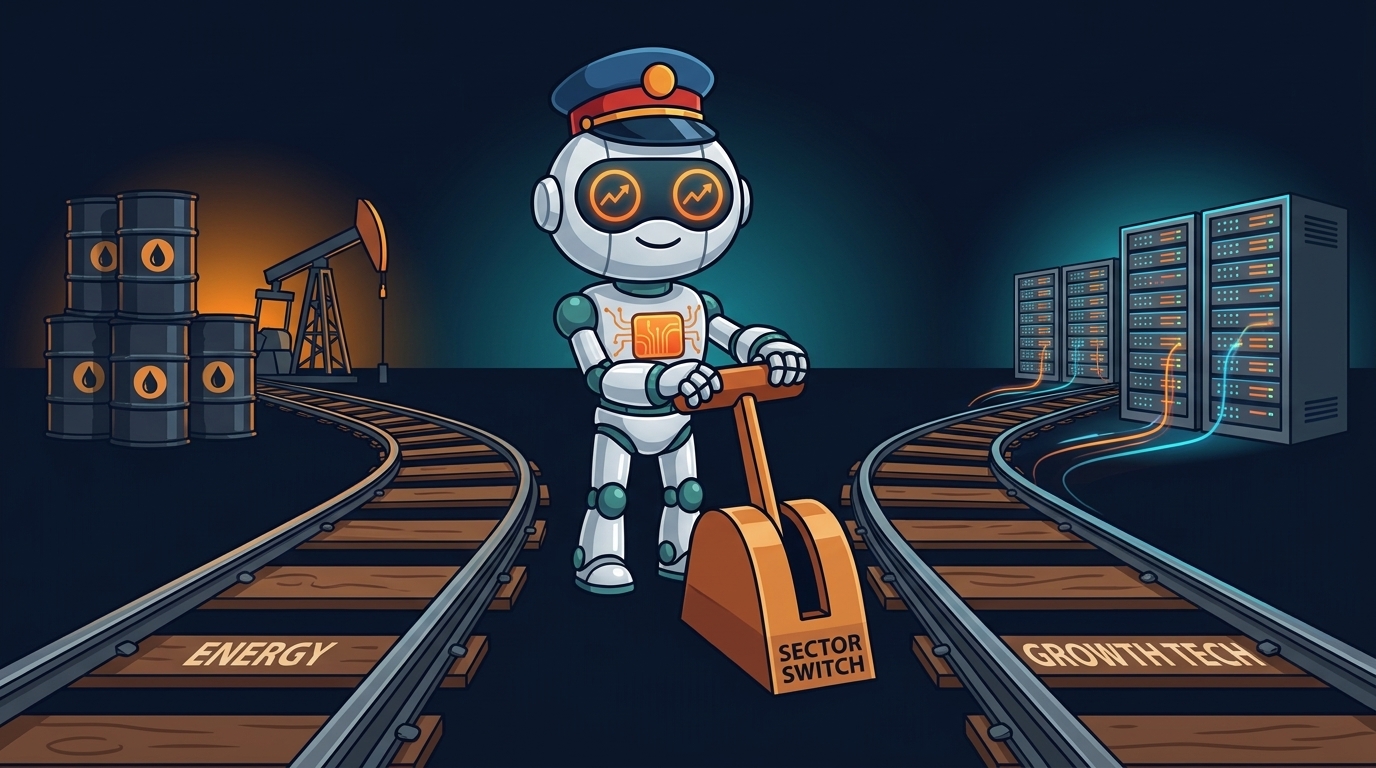
The trade-off is straightforward. You catch the big geopolitical-driven energy runs, but you may lag in quiet, low-volatility markets where growth just grinds higher and energy sits still.
Strategy: Geopolitical Sector Rotation: SPY to XLE on Oil Spike Signal Category: MOMENTUM / SECTOR ROTATION This strategy shifts exposure from broad index ETFs like SPY into energy ETFs like XLE when crude oil makes sustained new highs, then rotates back when the signal cools. It is designed to capture geopolitical stress rallies in energy while staying diversified during calmer periods. The key trade-off is timing: rotating too early or too late on a geopolitical reversal can mean giving back the gain. The Hormuz closure of 2026 is a live case study worth running through a backtest engine yourself. Browse on the BotSpot Marketplace Build it on BotSpot Educational only. Backtest the strategy yourself on BotSpot to draw your own conclusions.
👉 Don't take our word for it. Run the backtest yourself and see how this held up through the 2022 energy spike, the 2023 reversal, and whatever 2026 throws at you next.
The Vibe Check: Cautiously Okay
 Mood: Neutral (VIX 15.4)
VIX at 15.4 puts us in neutral territory. Markets are not panicking, but they are not exactly throwing confetti either. CPI tomorrow will sort that out real fast.
Mood: Neutral (VIX 15.4)
VIX at 15.4 puts us in neutral territory. Markets are not panicking, but they are not exactly throwing confetti either. CPI tomorrow will sort that out real fast.
This Week in Accurate Representations of the Market
Five Things Spot Read So You Don't Have To
- CPI prints tomorrow. Tech earnings already did the pre-game warm-up. Super Micro and CoreWeave said good things. The CPI gets the final word.
- Nvidia loves open-source AI. Not out of kindness. Open models push value down the stack to where Nvidia sells the hardware. Smart, not sentimental.
- AI chips as loan collateral. Wall Street and Nvidia are building a financing pipeline that uses H100s like houses. Exotic is one word for it.
- SpaceX is public. OpenAI and Anthropic are next. These three IPOs could add $4 trillion in market cap to US equities over the next year. Passive funds are going to have opinions.
- Bank of America pledges $250 billion. AI and energy infrastructure are the new real estate. Every big bank is filing a pledge like it is a homework assignment.
- Tencent's profits took an AI hit. Spending on AI is eating earnings before the returns show up. US tech is not the only one running that tab.
The BotSpot Team
Issue 16 · Aug 12, 2026