🤖 Nvidia Just Broke Its Own Record
70% revenue growth forecast, blowout earnings, and AI demand that keeps getting hotter. Meanwhile, global bond markets are having a completely different summer.
GM, Spotters. This is BotSpot, brought to you by the team behind Lumiwealth. Each week we walk through the market stories worth knowing about, with context, color, and a clear head.
- 🤖 Nvidia forecasted 70% revenue growth next year. The AI chip demand story is not slowing down.
- 🌍 Global bond markets are getting hit harder than U.S. Treasurys. France, Italy, Japan and the U.K. are under the most pressure.
- 💊 A pancreatic cancer drug just got FDA approval in record time. The biotech behind it is up 170% this year.
- 📉 Missing the market's 30 worst days turns $1 into $482. Missing the 30 best days turns $1 into $6. The math is uncomfortable.
- 🇰🇷 South Korea just hiked rates again. Blame Nvidia. The AI boom is running so hot it is forcing central banks to tighten.
Nvidia Said 70%. The Market Said Finally.

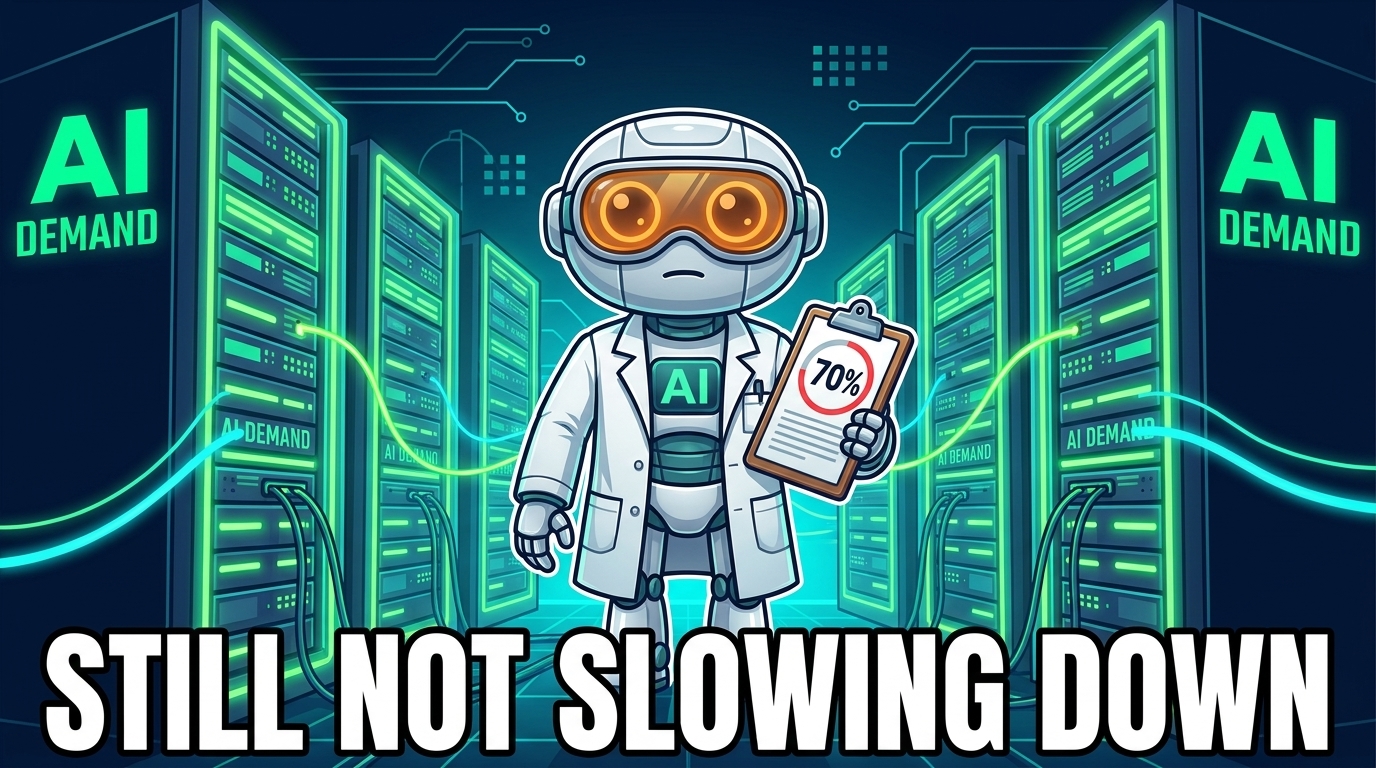
Nvidia just turned in one of the most jaw-dropping earnings reports in recent memory. Not jaw-dropping for a chip company. Jaw-dropping for any company.
The company forecasted 70% revenue growth for next year. Nasdaq futures jumped. Tech stocks surged before the opening bell. Spot was not surprised. He has been watching this plot develop for two years.
70% — Nvidia's forecasted revenue growth for next year. For context, most S&P 500 companies are happy with 5-10%.
Here is the part that matters most for regular investors. Nvidia is not just winning because it makes good chips. It is winning because the entire global AI buildout runs through its hardware.
Data centers. Cloud providers. Government AI projects. Every single one of them needs what Nvidia sells. The company even said demand is getting hotter, not cooler.
"The AI chip demand story was supposed to peak by now. Someone forgot to tell the customers."
— Spot, reviewing the order backlog
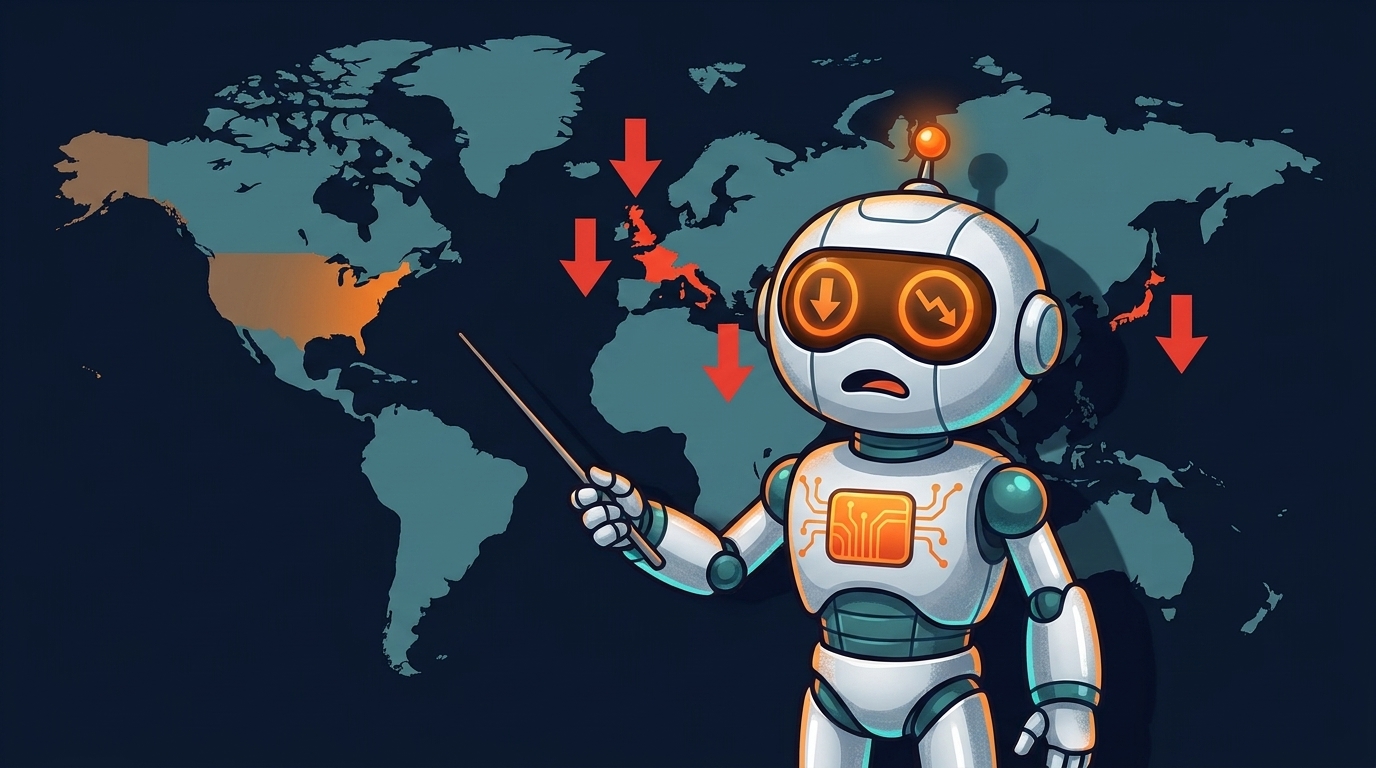
Now here is the twist the Nvidia headlines are not covering. While U.S. tech stocks are partying, global bond markets are quietly melting.
France, Italy, the U.K., and Japan have all been getting hit harder than U.S. Treasurys this summer. Countries with big debt loads are under the heaviest pressure. The bond selloff is not an American story anymore. It is a global one.
Why does that matter if you mostly hold SPY and QQQ? Because global bond stress tends to travel. When big countries struggle to fund their debt, it puts upward pressure on rates everywhere, including here.
👉 The news is Nvidia printed 70% growth while global bond markets are quietly cracking. The takeaway for you is the AI trade and the rates trade are on a collision course, and both are worth watching at the same time.
- Watch Nvidia's next guidance update. If demand language softens even slightly, the market will notice fast.
- Watch European bond spreads, especially France vs. Germany. Widening spreads mean more stress is spreading.
- Watch how the Fed reads the global bond chaos at Jackson Hole. Tightening overseas affects their math.
- Watch South Korea: a second straight rate hike powered by AI demand is a signal about where inflation pressure is building.
- Watch whether the tech rally holds if bond yields keep climbing. Those two things have historically pulled in opposite directions.
Explore the rates vs. tech tension
The Worst-Day Dodge: A Thought Experiment
Thinking through it
New research from GammaRoad Capital Partners found something that sounds simple but hits hard. If you had avoided the S&P 500's 30 worst trading days since 1988, your $1 would have grown to $482. If you just stayed fully invested, it grew to $64. That is a 7x difference from dodging a handful of bad days.

The classic advice is to stay fully invested so you never miss the best days. But the math says missing the worst days matters more, by a wide margin. The structure that tries to capture this idea is called a tactical allocation overlay: you hold equities normally, but you use signals to step aside during high-risk windows.
Asset: SPY with a volatility-triggered cash overlay (ETF / Tactical Allocation)
Rather than staying fully invested through every downturn, a rules-based approach uses a volatility or trend signal to temporarily shift from SPY into cash or short-term Treasurys during high-risk windows, then return to equities when conditions stabilize.
Mechanics
| Field | Value |
|---|---|
| INSTRUMENT | SPY (or equivalent broad index ETF) plus a short-term Treasury or money market for the defensive sleeve |
| STRUCTURE | Rules-based switch: hold SPY when a chosen signal (e.g. 200-day moving average or VIX threshold) is calm, shift to defensive assets when the signal triggers |
| THESIS DRIVER | Avoiding the market's worst days has a disproportionately larger impact on long-run returns than catching the best days |
| KEY RISK | False signals cause whipsaws: you sell right before a recovery and miss the bounce, which is the exact scenario buy-and-hold advocates warn about |
| WATCH FOR | Signal frequency matters. A trigger that fires too often creates transaction costs and tax drag that eat the edge |
Why it matters: The news is that new research confirms missing the worst days matters 7x more than missing the best. The takeaway for you is that studying how a tactical overlay works, and where it breaks down, is a useful exercise whether or not you ever use one.
For educational purposes only. Not investment advice. Always do your own research.
👉 The news is the math on avoiding bad days is more powerful than most advisors admit. The takeaway is understanding the structure, not copying it blindly, is the starting point.
The VIX Trip-Wire on SPY
How it works
This week's strategy concept is built around one of the oldest tricks in the quant playbook: using the VIX as a filter for when to hold equities and when to step aside. The idea is straightforward. When the VIX is below a certain level, fear is low and the trend is your friend. When it spikes above a threshold, the strategy rotates out of SPY and into a short-term bond ETF like SHV or a money market fund.
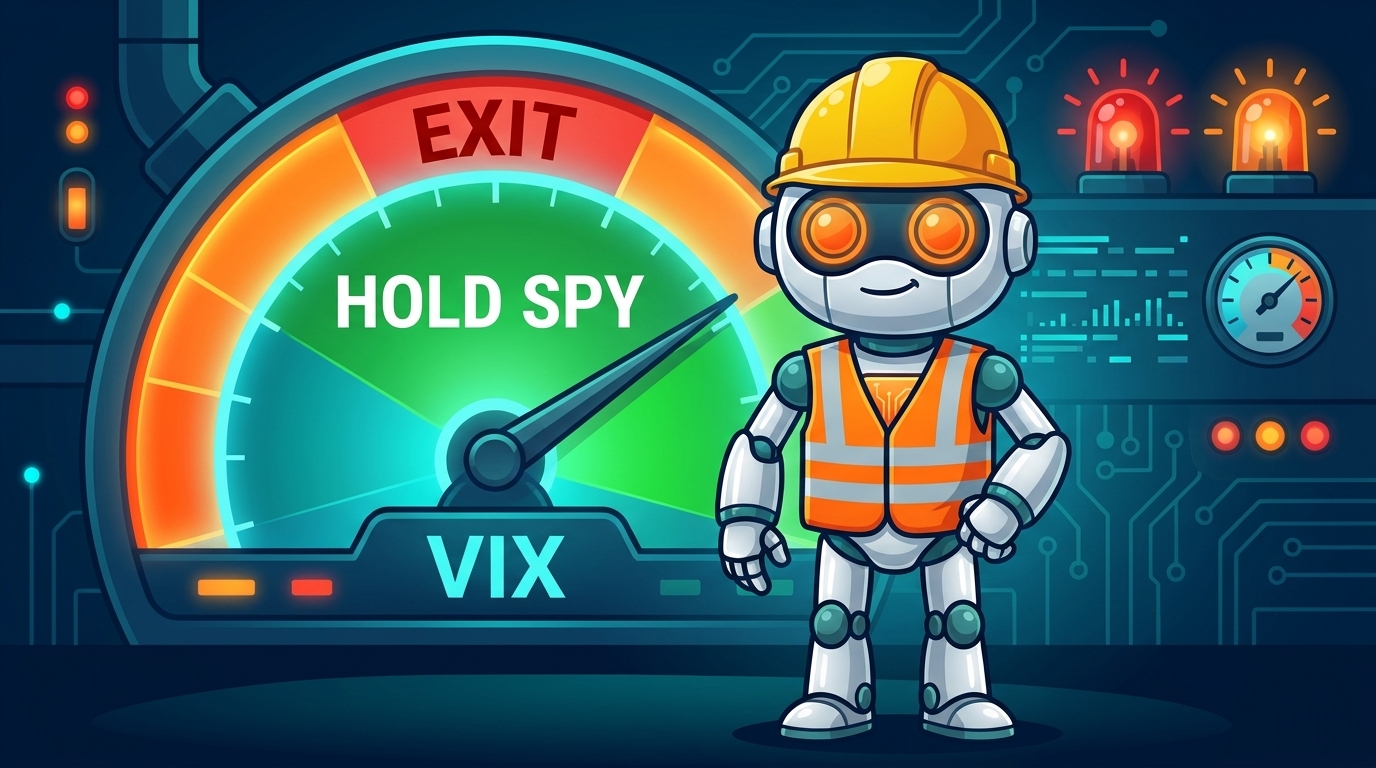
The trade-off is simple to explain but emotionally hard to execute. When VIX spikes, it is often right before a sharp recovery. Rotating out can protect you from the worst days but also risks missing the violent bounces that follow. Picking the right threshold and holding discipline through false signals is the whole game.
Strategy: VIX Trip-Wire Rotation (SPY to SHV) Category: DEFENSIVE / TACTICAL ROTATION The strategy holds SPY when the VIX closes below a set threshold, and rotates into a short-duration Treasury ETF when the VIX closes above it. The core tension is between protection during slow-moving selloffs and whipsaw risk during quick spikes and recoveries. The threshold level you pick changes the character of the strategy completely: a low trigger fires often and creates churn, while a high trigger offers less protection but fewer false exits. Building it and running your own backtest is the only way to see how different thresholds behave across different market regimes. Browse on the BotSpot Marketplace Build it on BotSpot Educational only. Backtest the strategy yourself on BotSpot to draw your own conclusions.
👉 Don't take our word for it. Run the backtest yourself and see what threshold level fits your stomach for whipsaw.
Spot Checks the Pulse
 Mood: Greed (VIX 14.9)
VIX at 14.9 means the market is feeling comfortable, maybe a little too comfortable. Nvidia earnings gave everyone a sugar rush, and the global bond chaos has not fully registered yet.
Mood: Greed (VIX 14.9)
VIX at 14.9 means the market is feeling comfortable, maybe a little too comfortable. Nvidia earnings gave everyone a sugar rush, and the global bond chaos has not fully registered yet.
Every Earnings Season, Same Energy
Five Things Before You Close This Tab
- Nvidia said demand is getting hotter. Not staying hot. Getting hotter. The distinction is doing a lot of work in that sentence.
- France and Italy are getting crushed. Their bond markets are having a worse summer than U.S. Treasurys, which is saying something.
- South Korea hiked rates again. Two straight hikes because AI demand is running so hot it is creating inflation. Nvidia is literally moving central bank policy now.
- RevMed is up 170% in 2026. FDA approved their pancreatic cancer drug in just over a month. Sometimes biotech goes exactly right.
- Salesforce defied the SaaSpocalypse. Results were strong, guidance was strong, and a new Anthropic partnership gave analysts one more reason to write a bullish note.
- Missing the 30 worst days beats missing the 30 best days by 7x. Everyone quotes the best-days stat. Nobody quotes the worst-days stat. Funny how that works.
The BotSpot Team
Issue 18 · Aug 27, 2026