🤫 The Fed Chair Who Wants to Disappear
Kevin Warsh floated cutting Fed meetings from 8 to fewer per year. Markets immediately asked: wait, is silence the new policy tool?
GM, Spotters. This is BotSpot, brought to you by the team behind Lumiwealth. Each week we break down the market stories worth knowing, with plain English, a clear head, and Spot keeping watch so you don't have to.
- 🗓️ Fed Chair Warsh wants fewer meetings. Yes, really. Less Fed, same drama.
- 💾 AI is hoarding memory chips. Your next iPad just got pricier. Thanks, robots.
- 💴 The dollar fell and the yen got a government escort. Currency drama, explained.
- 🎰 Leveraged ETFs are still stuck at the SEC. 3x and 5x funds waiting in purgatory.
- 📊 Jobs report this week gives the Fed its next excuse. Spot is watching the numbers.
The Fed Chair Who Wants to Ghost You
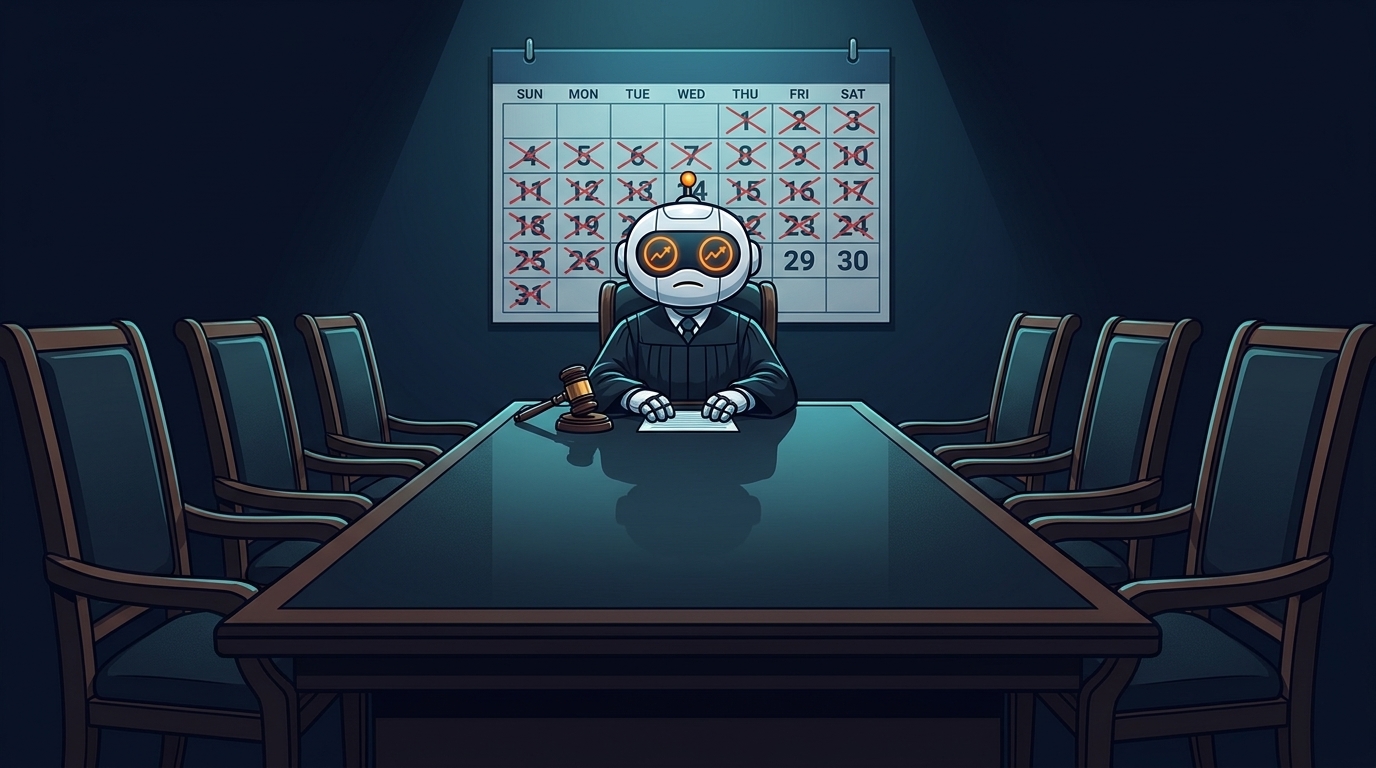
Federal Reserve Chair Kevin Warsh floated an idea this week that made bond traders look up from their screens. He wants fewer Fed meetings per year.
Right now the Fed meets eight times a year. Warsh is asking: what if it met less? His stated goal is to draw less attention to the central bank. Less spotlight. Less drama. Less market-moving press conference.
8 → fewer — The number of annual Fed meetings Warsh wants to shrink. Every meeting removed is one less scheduled panic event for markets.
Here is the twist that a MarketWatch bond veteran pointed out: Warsh may already be tightening the economy WITHOUT raising rates. By holding steady and staying quiet, he creates uncertainty. Uncertainty makes businesses and consumers more cautious. Caution slows spending.
It sounds backward, but it works like this. When the Fed is unpredictable, nobody wants to commit to a big loan or a big hire. So the economy cools down on its own. No rate hike required.
"The quietest Fed move is sometimes the tightest one."
— MarketWatch, paraphrased with a straight face
 Fewer meetings. Same rates. Maximum mystery.
For retail traders who hold SPY or rate-sensitive positions, this matters. Fewer scheduled meetings means fewer scheduled catalysts. The 8-per-year calendar basically gives you 8 chances to see big moves in bonds and equity volatility. Cut that to 6 or 5 and you change the whole rhythm of how options are priced around FOMC dates.
Short-dated options around Fed dates are a big piece of how active traders juice returns. Fewer dates means fewer plays. It also means more pressure on each remaining meeting to deliver signal.
👉 The news is Warsh wants fewer Fed meetings to reduce the central bank's footprint. The takeaway for you is that if FOMC dates drive your options calendar, fewer meetings reshapes when and how volatility gets priced.
- Watch for any official announcement from the Fed about changing the meeting schedule, that is the real market-moving moment.
- Watch how options premiums around FOMC dates shift if the market starts pricing in schedule uncertainty.
- Watch the jobs report this week, it gives Warsh cover to hold rates and stay silent even longer.
- Watch TLT and short-term Treasury ETFs, they are the most sensitive instruments to changes in Fed meeting cadence.
Memory Chips, Monster Margins, and a Crowded Trade
Thinking through it
AI is eating memory chips at a rate the world was not ready for. Samsung revenue roughly doubled year over year. SK Hynix shares are up 528% in 12 months. Micron is up 690%. Those are not typos.

The thesis is simple: AI hyperscalers need high bandwidth memory the way cars need gasoline. But a thesis that simple draws a crowd. And crowded trades have a specific failure mode: when sentiment turns, they fall faster than they rose.
Asset: MU (Micron Technology) (EQUITY / SEMICONDUCTORS)
As a thought experiment: if AI memory demand is durable and not priced in, memory chip leaders may have room to run. But if AI capex sentiment cracks, names up 500-700% in 12 months could give back gains fast.
Mechanics
| Field | Value |
|---|---|
| INSTRUMENT | MU equity or semiconductor ETF (e.g. SOXX) |
| STRUCTURE | Long equity or defined-risk call spread to study upside vs downside |
| THESIS DRIVER | AI hyperscalers spending $750B this year, much of it on HBM and DRAM |
| KEY RISK | Sentiment is the whole game: shares tied to AI trade, not just fundamentals |
| WATCH FOR | Any sign of AI capex slowdown or memory pricing reversal |
Why it matters: The news is AI is creating a memory chip supercycle that is already producing record earnings. The takeaway for you is understanding how sentiment-driven rallies differ from fundamental ones is the whole skill being tested here.
For educational purposes only. Not investment advice. Always do your own research.
👉 The news is memory chip stocks are up 500-700% on AI demand. The takeaway is a trade that big attracts crowding risk, which is worth studying before adding exposure.
The Boring Strategy That Beats the Hype Cycle
How it works
When a sector rallies 500% in 12 months, the old-school question becomes interesting again: does momentum keep running, or does mean reversion take over? The dual moving average crossover is the simplest way to let the chart answer that question for you.

The idea is simple: when a shorter-term average (like the 50-day) crosses above a longer one (like the 200-day), you are in. When it crosses back below, you are out. No opinions, no CNBC, no vibes.
Strategy: 50/200 Moving Average Crossover on SOXX Category: MOMENTUM / SEMICONDUCTORS This strategy uses two simple price averages to decide when to be in semiconductor exposure and when to step aside. It tends to keep you in during strong trending runs and get you out before the worst drops, but it is slower than the market and can whipsaw in choppy sideways periods. The trade-off is fewer decisions, clearer rules, and a systematic answer to the question every hype-cycle investor eventually faces. Browse on the BotSpot Marketplace Build it on BotSpot Educational only. Backtest the strategy yourself on BotSpot to draw your own conclusions.
👉 Don't take our word for it. Run the backtest yourself and see how the crossover handled the 2024-2025 AI chip boom and the selloffs in between.
Spot's Mood Meter
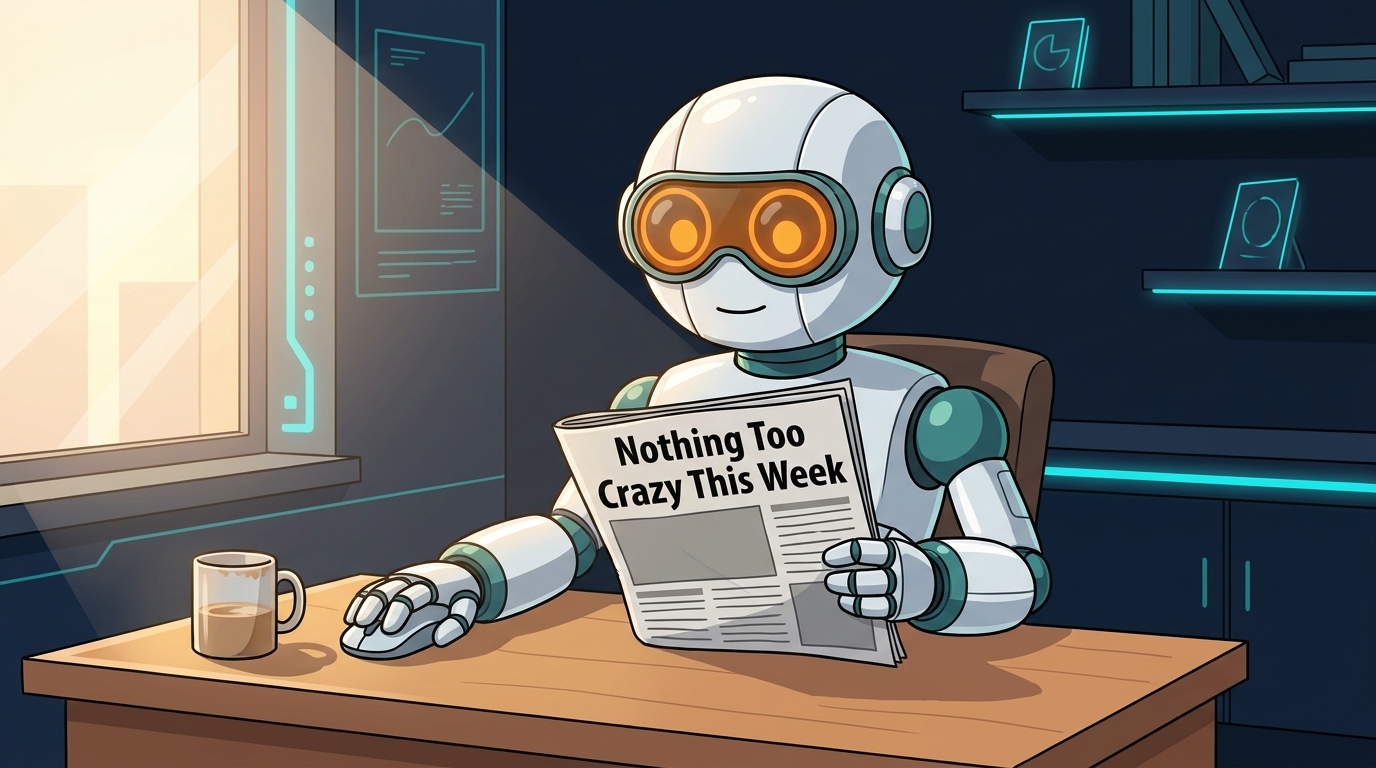 Mood: Neutral (VIX 15.9)
VIX at 15.9 puts us right in the neutral zone: not panicking, not partying. Markets are digesting a busy week of Fed noise and earnings without committing to a direction. Enjoy the calm while it lasts.
Mood: Neutral (VIX 15.9)
VIX at 15.9 puts us right in the neutral zone: not panicking, not partying. Markets are digesting a busy week of Fed noise and earnings without committing to a direction. Enjoy the calm while it lasts.
This Week in Financial Feelings
Five Things, Fast
- Warsh wants fewer Fed meetings. His calendar, your volatility trades: both just got more complicated.
- The yen got a government escort. U.S. Treasury warned banks about dollar-yen intervention. The yen said: finally.
- AI is hoarding your iPad's memory. Hyperscalers are spending $750B this year on chips, and your next gadget is picking up the tab.
- Leveraged ETFs are still stuck at the SEC. 3x and 5x funds have filed, refiled, and waited. The SEC's message: not yet, and stop asking.
- Jobs report is the week's main event. July payrolls land this week. One number, maximum chaos potential.
- Canada's economy is quietly roaring. Oil, gas, and manufacturing all up. Canada did not send a press release, because Canada.
The BotSpot Team
Issue 14 · Aug 3, 2026