🔌 AI Ate the Grid
Data centers are gobbling power faster than anyone can build it. Here is what that means for your portfolio.
GM, Spotters. This is BotSpot, brought to you by the team behind Lumiwealth. Each week we dig into the market stories worth knowing, strip out the jargon, and hand you the takeaway with a side of Spot commentary.
- 🔌 AI data centers could suck up 20% of all US power by 2035. The grid is already 19 gigawatts short.
- 📊 Jobs report drops today. A hot print could send the dollar flying and delay rate cuts.
- 💡 Constellation and Vistra are racing to feed the beast with nuclear and gas deals worth billions.
- 🔤 Alphabet is hitting the bond market to fund its AI spending spree. Free cash flow? Gone.
- 💵 The dollar has fallen six of the last seven trading days. Jobs data could flip that fast.
AI Is Eating the Grid and Nobody Built Enough Forks
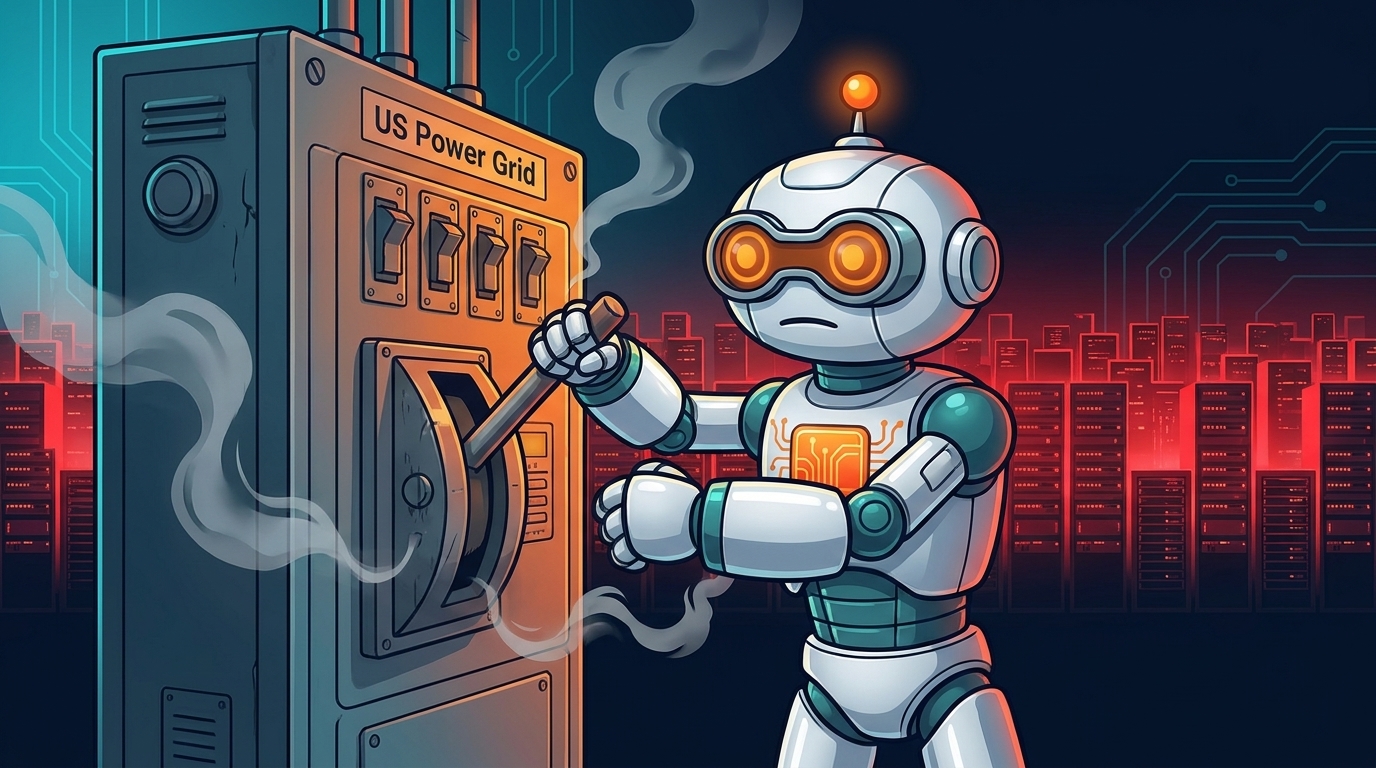
AI needs electricity the way a teenager needs Wi-Fi: constantly, desperately, and in amounts that alarm everyone around it.
Data centers use about 6% of all US electricity today. By 2035, BloombergNEF thinks that number hits 20%. The grid is already expected to come up 19 gigawatts short of what data centers will demand.
19 GW — The projected power shortfall for US data centers by 2035. One gigawatt is roughly one nuclear reactor. We need 19 more.
Vistra just paid $4.7 billion to buy Cogentrix and its 10 gas-fired power plants. Then it signed a 20-year deal to sell nuclear power to Meta. Constellation Energy restarted Three Mile Island (yes, that one) to feed power to Microsoft.
Constellation just reported $7.5 billion in second-quarter sales and boosted its full-year forecast. The market for electrons is suddenly very interesting.
"The physical world takes much longer to develop than what people might imagine it takes."
— Jim Burke, Vistra CEO, which is a polite way of saying the grid is not keeping up
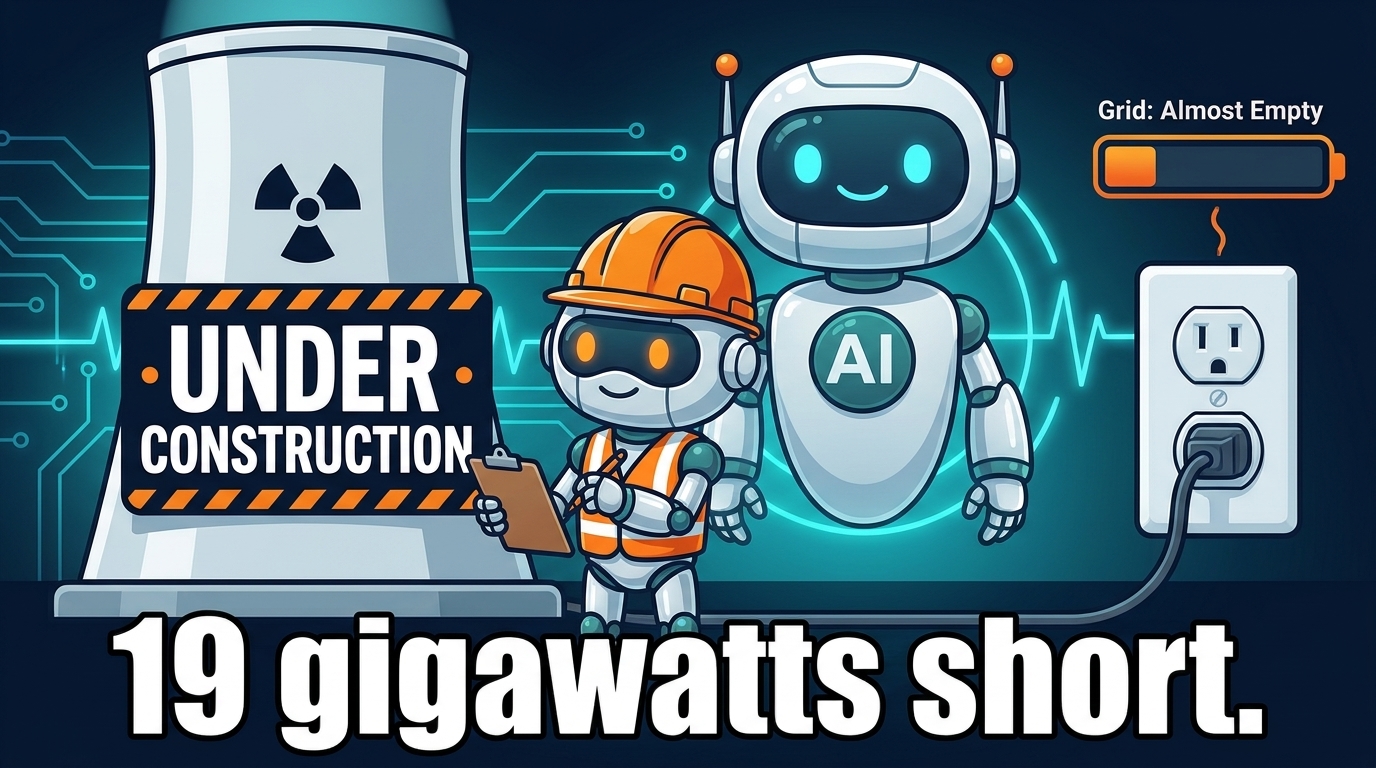 Nuclear. Gas. Whatever it takes. The grid math does not add up yet.
Here is the sneaky part of this story. Everyone talks about Nvidia and Meta as the AI trade. But the real bottleneck is not chips or code. It is power lines and cooling towers.
Alphabet is now tapping the bond market to keep its AI investments funded, burning through free cash flow at a pace that is making its CFO reach for Tums. The hyperscalers need the power companies just as much as they need the chip companies.
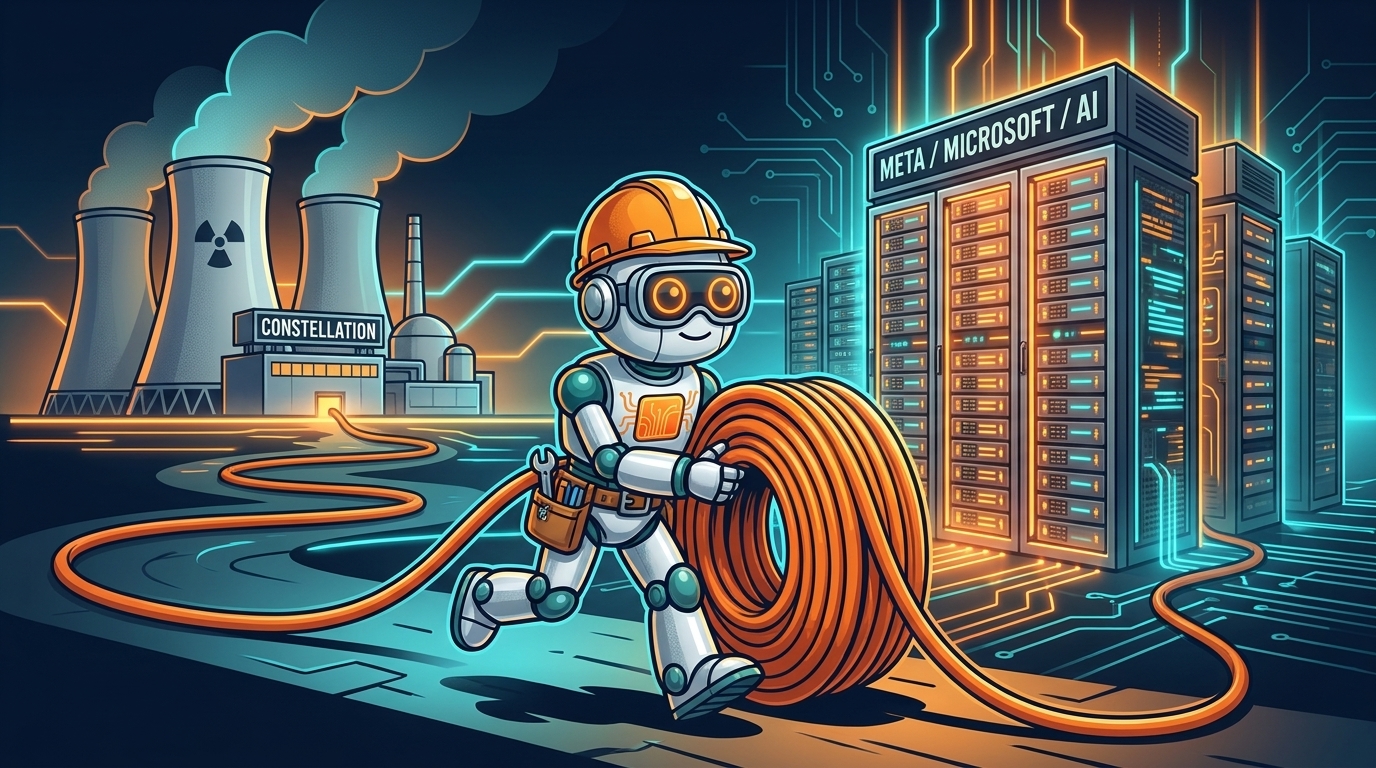
👉 The news is AI is outrunning the grid. The takeaway for you is that power generators, not just chip makers, may be where the next leg of the AI trade lives.
- Watch Vistra earnings today: guidance on new capacity timelines is the number that matters most.
- Watch Constellation's nuclear deal pipeline: every new hyperscaler agreement is a revenue lock-in.
- Watch electricity prices in Texas and Virginia, the two biggest data-center states. Rising power prices hit margins for everyone downstream.
- Watch Alphabet's debt issuance terms: if a AAA-rated tech giant needs bonds to fund AI capex, what does that say about the scale of spending coming?
The Jobs Number Nobody Can Agree On
How to think about it
Today is jobs day. The July nonfarm payrolls report drops before the open, and it is one of those releases that can flip the whole market's mood in 30 seconds flat. A hot number could send the dollar jumping and push Fed rate-cut bets further out. A soft number could do the opposite.
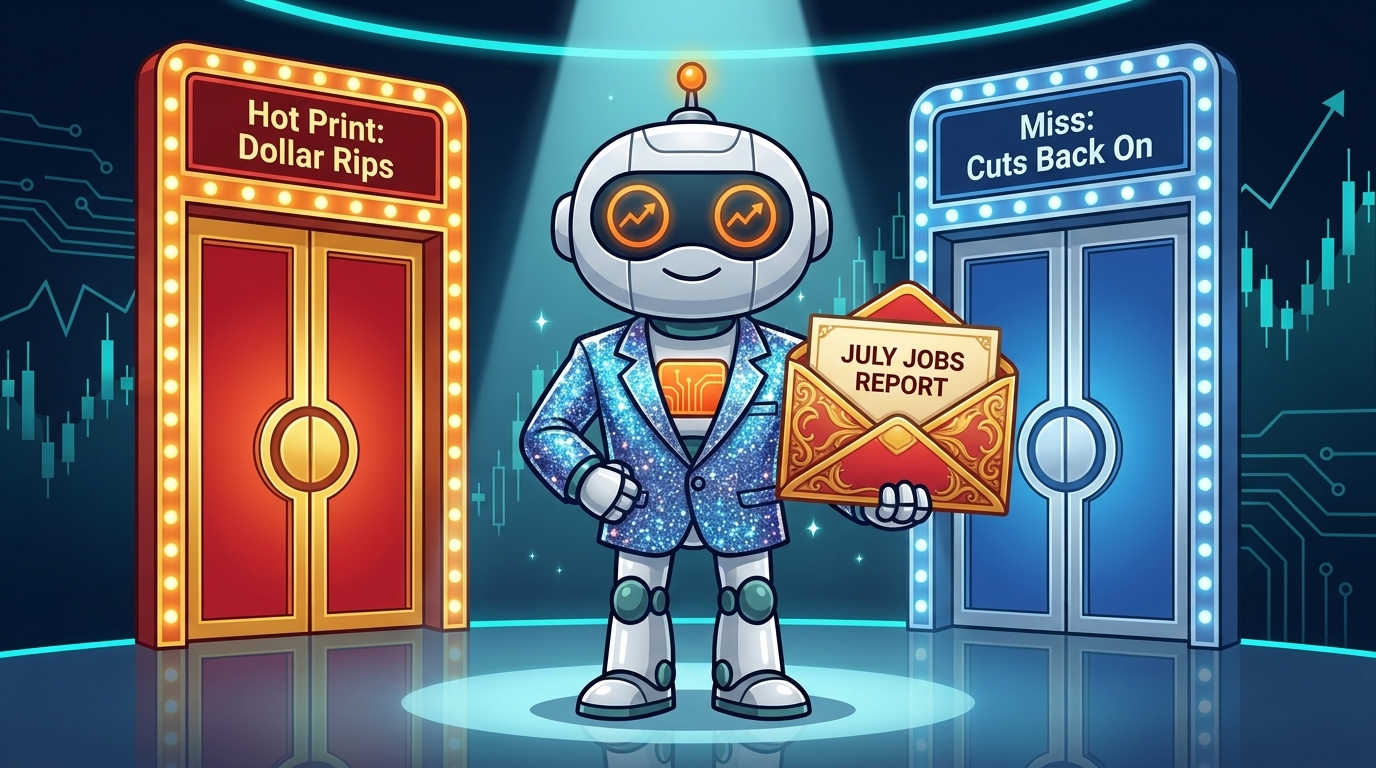
The structure worth studying here is a dollar-sensitive options play. The WSJ Dollar Index has dropped six of the last seven sessions. If payrolls beat, that streak ends fast. If they miss, the slide continues.
Asset: UUP (Invesco DB US Dollar Index Bullish Fund) (ETF / Currency)
A stronger-than-expected jobs report historically lifts the dollar as traders price out rate cuts. UUP is a simple way to study how dollar exposure behaves around high-impact data releases without touching FX directly.
Mechanics
| Field | Value |
|---|---|
| INSTRUMENT | UUP (USD bullish ETF) |
| CATALYST | July nonfarm payrolls release, Aug 7, 2026 |
| THESIS DRIVER | Hot jobs data delays Fed cuts, supports dollar strength |
| KEY RISK | Soft print reverses trade quickly; dollar has already fallen 6 of last 7 days |
| WATCH FOR | DXY reaction in first 15 minutes after the print |
Why it matters: The news is the dollar is on a losing streak heading into a pivotal jobs report. The takeaway for you is that jobs data is a live stress test of Fed rate-cut bets, and understanding how currency ETFs react to that is a useful framework for any macro-aware trader.
For educational purposes only. Not investment advice. Always do your own research.
👉 Currency ETFs are a clean way to study macro reactions without touching the FX market directly. Worth understanding the structure even if you never trade it.
The Boring Energy Trade That Keeps Paying Rent
How it works
The covered call wheel on a utility or energy ETF is about as unglamorous as it gets. You hold the ETF, sell a covered call above the current price each month, collect the premium, and repeat. If the stock gets called away, you sell a cash-secured put to buy it back.

With power demand surging from AI data centers, utility and energy stocks have a fundamental tailwind behind them right now. The wheel strategy lets you study whether collecting income on top of that trend changes the risk profile meaningfully. The trade-off is that you cap your upside if the ETF rips.
Strategy: Covered Call Wheel on XLU (Utilities ETF) Category: INCOME / OPTIONS The covered call wheel sells a monthly out-of-the-money call against a long XLU position, collecting premium each cycle. When shares get called away, a cash-secured put is sold to re-enter the position. The strategy trades some upside participation for steady income, which can matter in a sector with strong but slow-moving catalysts like grid buildout. The key question to explore in a backtest is whether the premium collected cushions drawdowns enough to justify the capped upside during strong utility rallies. Browse on the BotSpot Marketplace Backtest it on BotSpot Educational only. Backtest the strategy yourself on BotSpot to draw your own conclusions.
👉 Don't take our word for it. Spot is ready to build the backtest. You draw your own conclusions from your own data.
Spot Checks the Vibe
 Mood: Greed (VIX 15.3)
VIX at 15.3 means the market is calm but not sleepy. Traders are leaning in, not hiding under the desk. Jobs day could change that by afternoon.
Mood: Greed (VIX 15.3)
VIX at 15.3 means the market is calm but not sleepy. Traders are leaning in, not hiding under the desk. Jobs day could change that by afternoon.
The Grid Does Not Care About Your Earnings Call
The Week in Crumbs
- Jobs report is live today. Stock futures are up, oil is down, and everyone is holding their breath like it is a penalty shootout.
- Dollar has had a rough week. Down six of the last seven sessions. A hot payrolls print could end that losing streak in about 30 seconds.
- Jobless claims ticked up. Still in healthy territory, but the trend is worth watching before today's headline number lands.
- Alphabet hit the bond market. Burning through free cash flow on AI capex so fast that even Google needs to borrow. Let that sink in.
- Three Mile Island is back. Restarted to power Microsoft's AI servers. History has a weird sense of humor.
- Food prices rose in July. Hormuz closures plus El Nino plus war equals a grocery bill that keeps getting less funny.
- Vistra paid $4.7B for gas plants. Then signed a 20-year nuke deal with Meta. Power companies are playing a very long game right now.
The BotSpot Team
Issue 15 · Aug 7, 2026