💾 The Biggest Wall Street Debut You Almost Missed
SK Hynix just pulled off the largest foreign IPO in U.S. history. And the Fed is quietly rewriting how it works. Spot has opinions on both.
GM, Spotters. This is BotSpot, brought to you by the team behind Lumiwealth. Each week we unpack the market stories worth knowing, with color, context, and zero homework assignments.
- 💾 SK Hynix raised $26.5 billion on its Nasdaq debut. Seven times oversubscribed. That's not hype, that's a feeding frenzy.
- 🏛️ The Fed named task force leaders to review how it does its job. Yes, the Fed hired coaches. Yes, this is a big deal.
- 🎲 Kalshi traders now see a 54% chance of a rate HIKE before 2027. Flip a coin. Welcome to Fed policy.
- 📊 The VIX looks calm. Nasdaq volatility does not. Smart money is calling it a hidden divergence worth watching.
- 📉 Jobless claims came in at 215,000 last week. Slightly lower than the week before. The labor market is still breathing.
SK Hynix Just Crashed the Party With $26.5 Billion
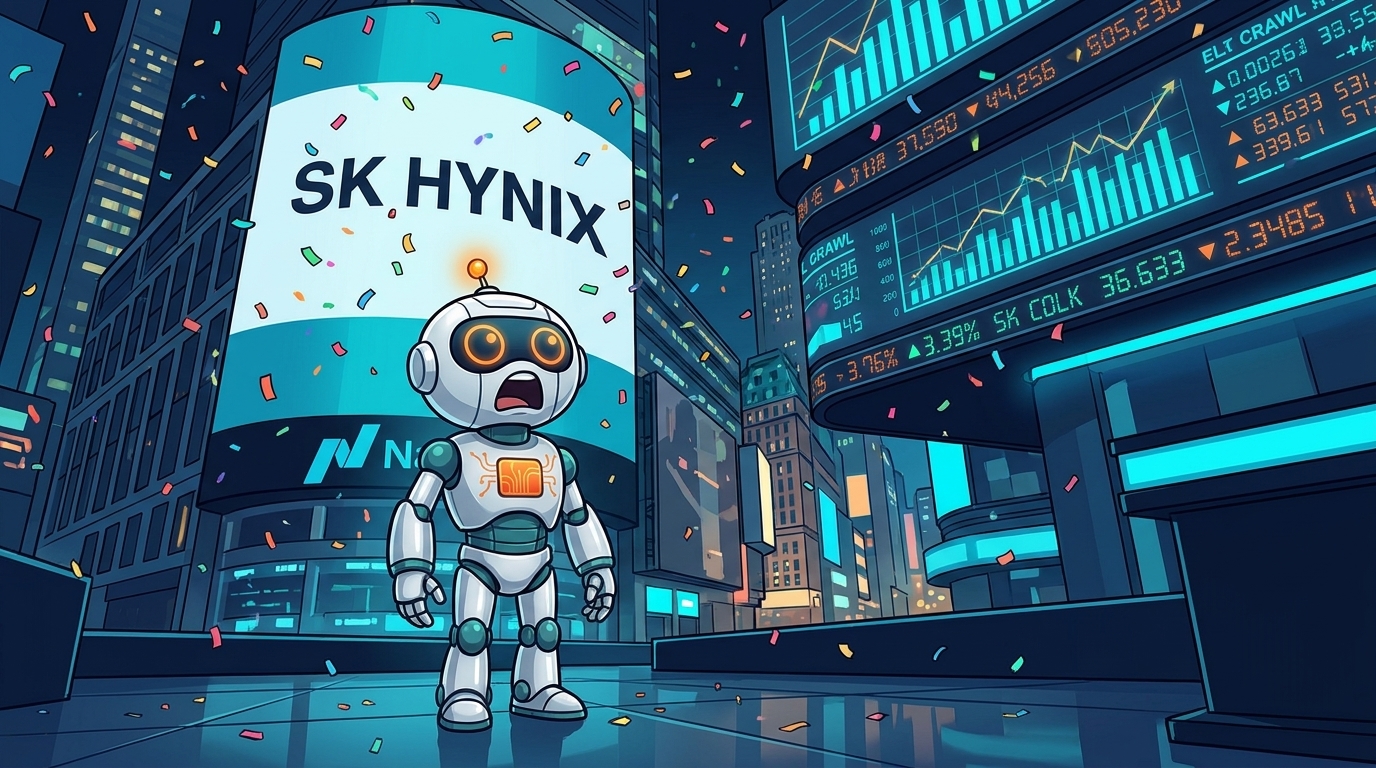
A South Korean memory chip company just walked onto Wall Street and raised $26.51 billion in a single day. That is the largest U.S. listing by a foreign company. Ever.
SK Hynix makes the high-bandwidth memory chips that power every AI server on the planet. Investors wanted in so badly the deal was oversubscribed seven times over. Seven. Times.
$26.51B — What SK Hynix raised in its U.S. ADR offering. Biggest foreign listing in Wall Street history. Samsung who?
The stock already trades in South Korea on the KOSPI exchange. The U.S. listing is in the form of ADRs, which are basically receipts that let American investors own foreign shares without a foreign brokerage account.
Here is the catch though. Korean-listed SK Hynix shares are already down 25% from their all-time peak. Samsung dropped 10% after a blowout earnings report. Even Micron is off 17% from its June high.
"Seven times oversubscribed. The line for this IPO made a Costco sample table look calm."
— BotSpot, keeping it in perspective
 The chip everyone needs for AI. The IPO everyone wanted a piece of.
The bull case is simple: AI needs HBM memory chips, SK Hynix makes most of the world's supply, and demand shows no signs of stopping. Analysts expect revenue to triple this year alone.
The bear case is equally simple: memory chips are brutally cyclical. The whole sector trades at 6 to 11 times forward earnings while the S&P 500 trades at 20. The market is pricing in a eventual bust.

👉 The news is SK Hynix just pulled off the biggest foreign IPO in Wall Street history. The takeaway for you is the AI infrastructure trade is real money, but the memory sector has a history of violent reversals that smart traders watch closely.
- Watch the HBM order backlog: if Nvidia or Microsoft signals slower server buildouts, that is the first domino.
- Watch how the ADR trades vs. Korean-listed shares: a big premium or discount tells you something about sentiment.
- Watch Micron as a proxy: it trades in the same memory cycle and gives you a U.S.-listed read on the same AI demand story.
Analyze the chip cycle on BotSpot
The VIX Says Calm. Nasdaq Says Otherwise.
How to think about it
The VIX, which measures expected price swings in the S&P 500, is sitting at a sleepy 15.9 right now. That is a "go back to sleep" number. But Nasdaq volatility has been creeping up quietly behind the scenes like a horror movie villain.

When these two measures of market fear stop moving together, it is called a divergence. Traders who spotted this kind of gap before past corrections used options structures to hedge without paying through the nose for broad market protection.
Asset: QQQ (ETF Options)
A thought experiment: if Nasdaq vol is rising while broad VIX stays low, that divergence could mean QQQ is more exposed to a sharp move than the calm headline number suggests. One way to study this structure is a QQQ put spread, which costs less than a naked put while still giving downside protection in a specific range.
Mechanics
| Field | Value |
|---|---|
| INSTRUMENT | QQQ put spread (buy a lower strike, sell an even lower strike) |
| STRUCTURE | Buy one QQQ put, sell one lower-strike QQQ put, same expiration (30-60 days out) |
| THESIS DRIVER | VIX vs. Nasdaq vol divergence: if QQQ corrects, the spread profits; if it doesn't, max loss is the premium paid |
| KEY RISK | The spread caps your profit: if QQQ falls hard past the short strike, gains stop there |
| WATCH FOR | Nasdaq vol (VXN) vs. VIX spread narrowing: that would suggest the divergence is resolving without a correction |
Why it matters: The news is that Nasdaq volatility and the VIX are moving in opposite directions right now. The takeaway for you is that studying hedging structures like put spreads during calm periods is exactly when they are cheapest to understand.
For educational purposes only. Not investment advice. Always do your own research.
👉 The news is Nasdaq is flashing a different warning than the VIX. The takeaway is that studying asymmetric options structures is most useful before you need them, not after.
The Fed Is Confused. This Strategy Doesn't Care.
How it works
With the Fed split on whether to hike or cut and Kalshi traders basically flipping a coin on 2026 rate moves, owning long-duration bonds is a guessing game right now. A dual moving average crossover on TLT, the 20-year Treasury ETF, tries to sidestep that guessing game entirely.
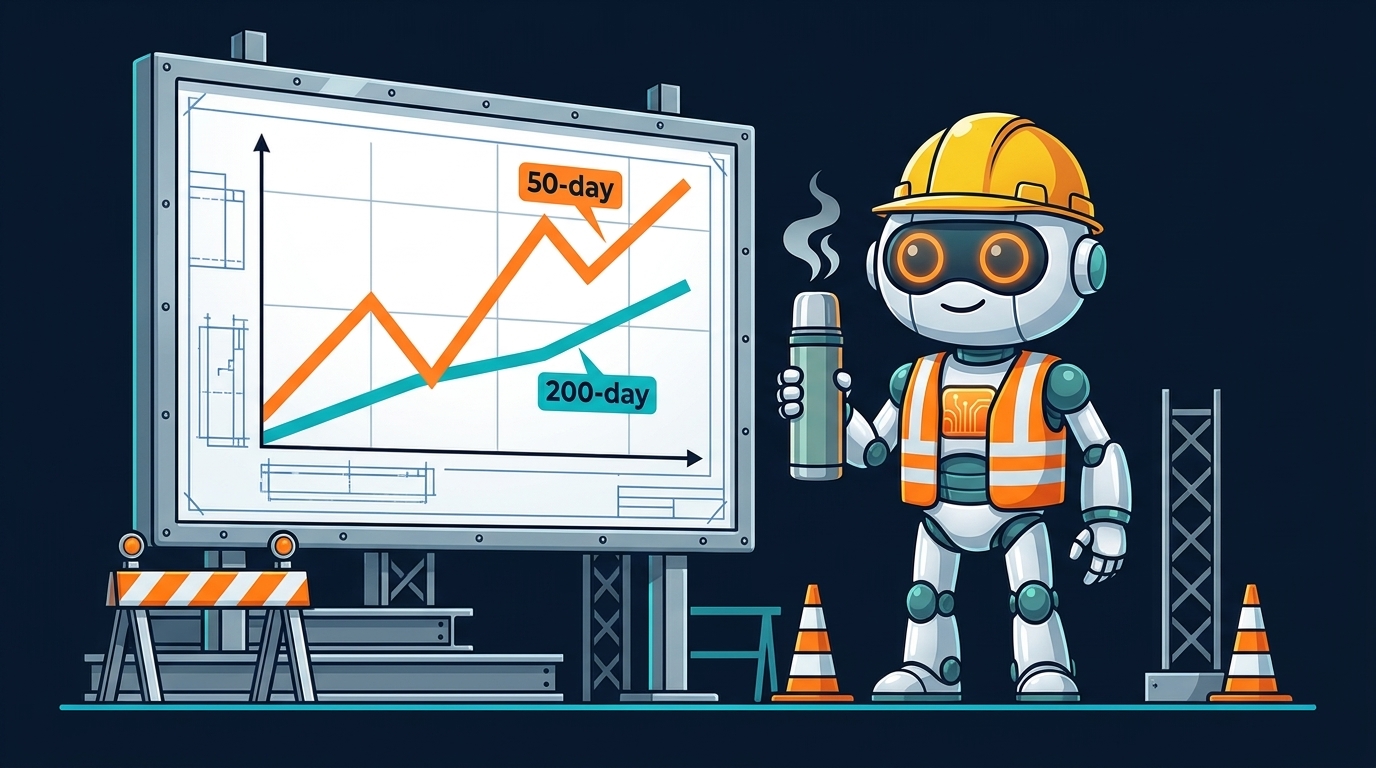
The idea is mechanical and boring on purpose. When the 50-day average price crosses above the 200-day, you hold TLT. When it crosses below, you step aside into cash. No Fed-watching required.
Strategy: TLT Dual Moving Average Crossover Category: MEAN-REVERSION / TREASURIES This strategy uses two moving averages on TLT to decide when to hold bonds and when to sit in cash. The trade-off is simple: you give up some upside during smooth trends, but you avoid the worst of the painful drawdowns that come when rates suddenly spike. Because TLT is sensitive to Fed policy, a mechanical rule can help remove the emotional guesswork that kills most retail bond trades. The interesting question is how it handled the big rate-hike cycles of recent years. Browse on the BotSpot Marketplace Build it on BotSpot Educational only. Backtest the strategy yourself on BotSpot to draw your own conclusions.
👉 Don't take our word for it. Run the backtest yourself and see how a mechanical rule holds up across the rate cycles the Fed just lived through.
Spot's Fear and Greed Gauge
 Mood: Neutral (VIX 15.9)
VIX at 15.9 is the market equivalent of a shrug emoji. Not scared, not euphoric, just kind of existing. Classic summer trading.
Mood: Neutral (VIX 15.9)
VIX at 15.9 is the market equivalent of a shrug emoji. Not scared, not euphoric, just kind of existing. Classic summer trading.
This Week's Meme
The Week in Snacks
- SK Hynix raised $26.5 billion overnight. Seven times oversubscribed. The IPO hype machine is alive, well, and running on HBM chips.
- Kalshi says 54% chance of a rate hike. The Fed is so split that prediction markets are just guessing at this point. Respect the coin flip.
- The Fed hired external task force leaders. A dozen outside advisers are now reviewing how the central bank runs itself. That is either visionary or a cry for help.
- Jobless claims fell to 215,000 last week. Slightly lower than the week before. Not exciting, but 'not exciting' is the labor market win condition right now.
- Nasdaq vol and VIX are quietly diverging. The headline calm number is VIX. The number raising eyebrows in the back row is Nasdaq vol. Worth a second look.
- Memory chip stocks are down from their peaks. Samsung off 10%, Micron off 17%, SK Hynix off 25% in Korea. The IPO crowd is bullish. The sellers got there first.
- Natural gas posted its biggest single-day drop in months. Storage came in high, then Freeport LNG announced maintenance. A Tuesday that natural gas would like to forget.
The BotSpot Team
Issue 11 · Jul 10, 2026