🏦 Wall Street's Best Quarter Meets Tech's Worst Day
Five banks posted $49B in profits while IBM lost $69B in market value. Same week. Same market. Different universe.
GM, Spotters. This is BotSpot, brought to you by the team behind Lumiwealth. Each week we unpack the stories shaping markets and the questions a sharp trader might bring to a strategy session.
- 🏦 Five banks, $49B in profits, one very quotable Jamie Dimon
- 💀 IBM lost $69B in market value in a single day. AI did it.
- 🚀 SpaceX ETFs went up on the IPO hype, then came back down to Earth
- 👷 Jobs are growing but 2 million Americans have been locked out for 6+ months
- 🛢️ IMF warns the world has less cushion if Middle East oil gets disrupted
The Week Markets Couldn't Make Up Its Mind
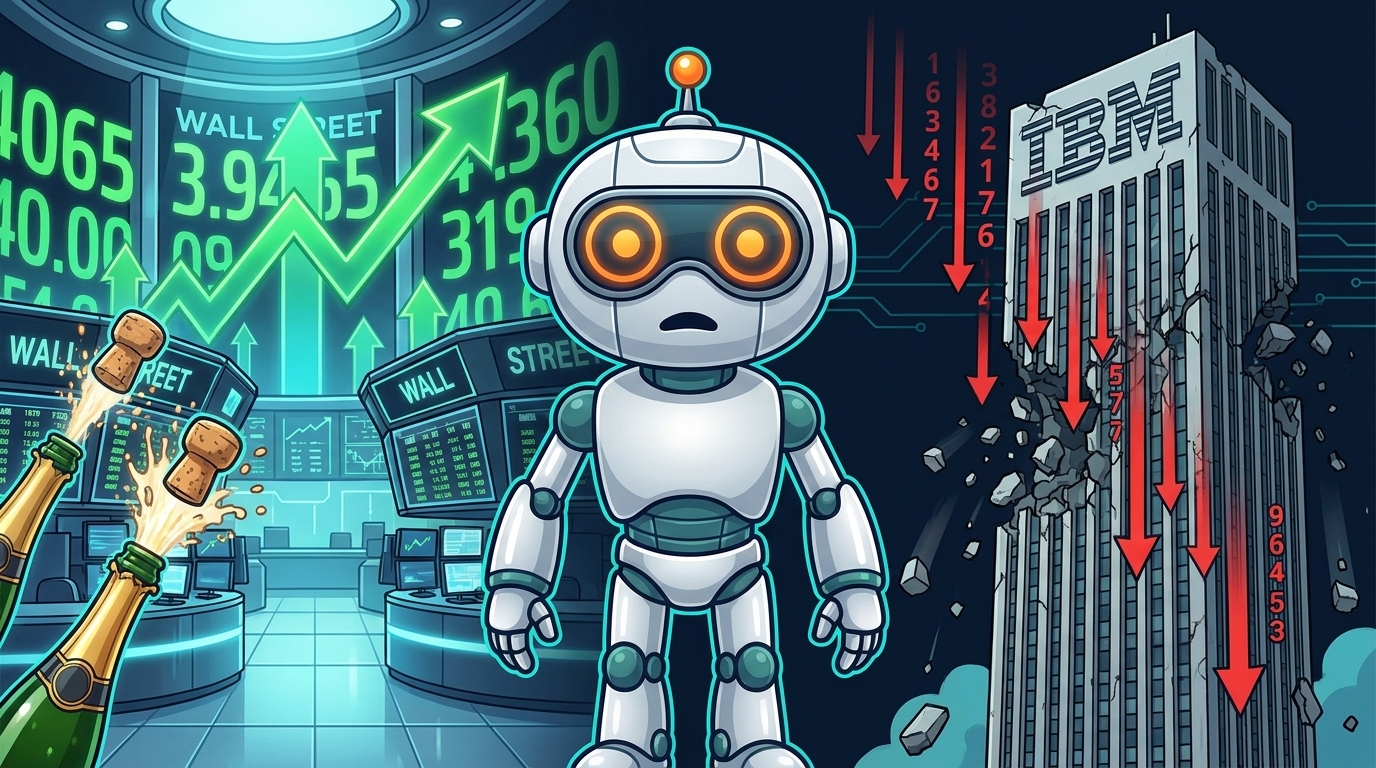
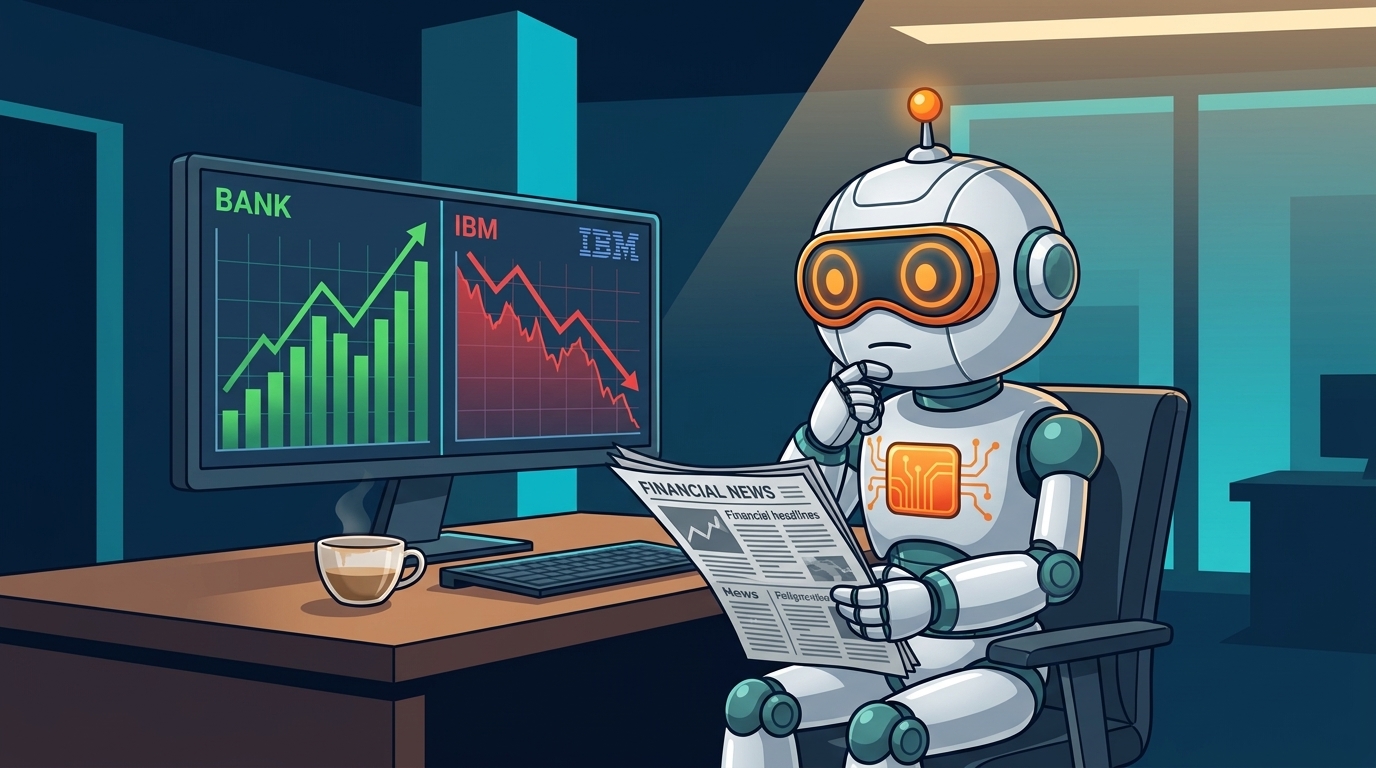
Tuesday was a tale of two markets. Banks were popping champagne. IBM shareholders were Googling 'how to cope.'
Five of the biggest US banks reported a combined $49 billion in second-quarter profits. JPMorgan alone cleared $21 billion, up 41% from last year. That is not a typo.
$49B — Combined Q2 profits from JPMorgan, Goldman, Citi, BofA, and Wells Fargo. In one quarter. During an Iran War.
What drove it? Two things: Iran War volatility sent traders to their desks, and a wave of mega-IPOs (SpaceX, Cerebras, Alphabet's $85B share sale) kept investment banking humming. Citi's equities trading revenue alone hit a company record of $2.3 billion.
Consumer spending held up too. Bank of America added 1 million new credit card accounts. Wells Fargo CEO Charlie Scharf said charge-offs and delinquencies are actually falling. That is not what a recession looks like.
"It's getting close to as good as it gets. We just don't know how long it's going to last."
— Jamie Dimon, JPMorgan CEO, being the one guy who won't let you enjoy the party
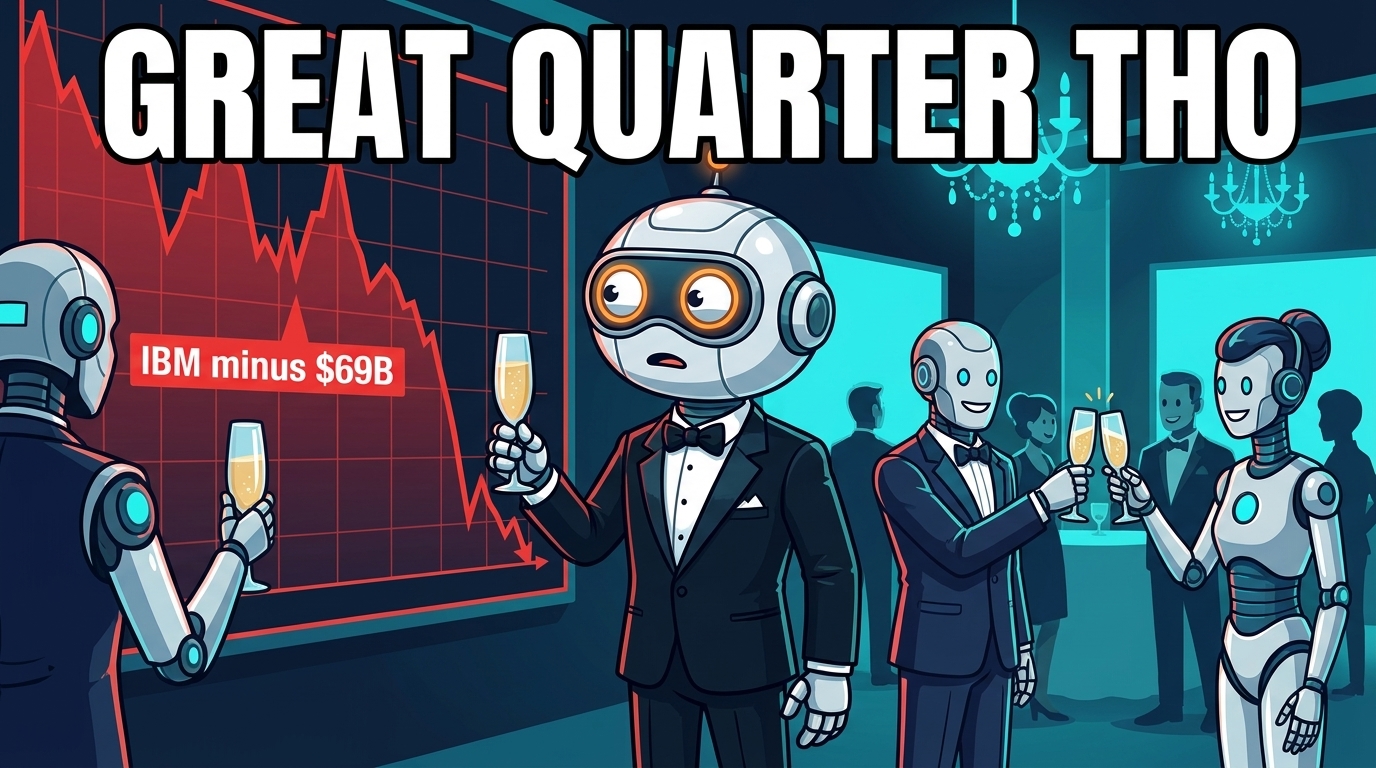 Dimon said enjoy it while it lasts. He meant it.
Now for the other side of the week. IBM issued a profit warning and lost $69 billion in market value in a single trading session. Its biggest single-day drop in the company's history. That sentence should not be possible for a company founded in 1911.
The reason is a plot twist hiding in plain sight: customers are shifting spending from traditional software (IBM's bread and butter) to AI hardware and memory chips. IBM built an empire on enterprise software. Enterprises are now buying GPUs instead.
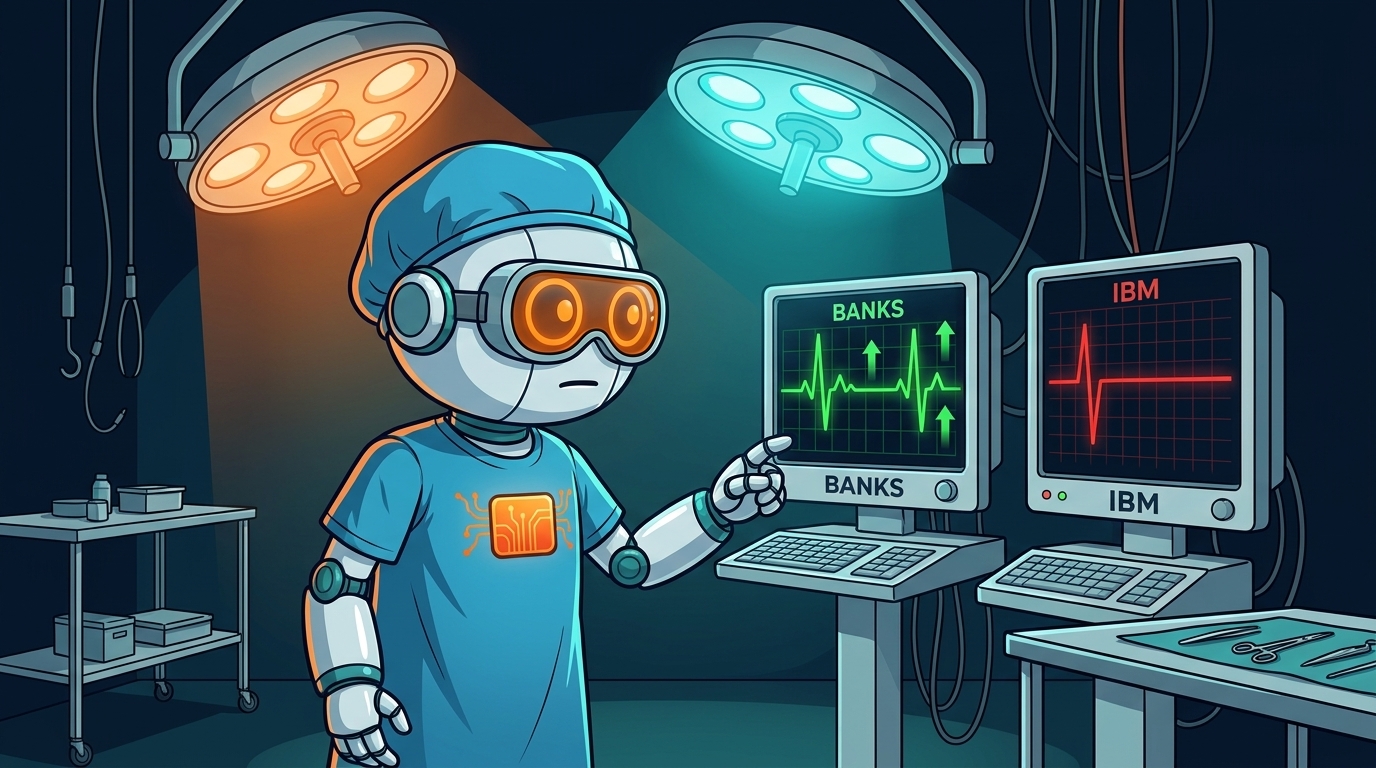
The news is that AI is not a rising tide lifting all tech boats. The takeaway is that traditional tech companies selling software to enterprises are losing budget share to chip and AI infrastructure plays. That is a real rotation, happening right now.
👉 The news is Wall Street had a record quarter while IBM had its worst day ever. The takeaway for you is that 'tech' is no longer one trade: bank stocks and AI infrastructure are winning while legacy software is getting squeezed.
- Watch financials earnings this week: if the consumer strength banks described holds, that is a signal the economy is not breaking yet.
- Watch legacy tech (Oracle, SAP, Salesforce) for similar profit warnings as AI hardware crowds out software budgets.
- Watch the Invesco KBW Bank ETF (KBWB): up 14% this year, but Oppenheimer analysts are already saying 'take the money and run.'
When the Rocket Ship Lands, What Do You Hold?
Thinking through it
SpaceX IPO'd in June. Thematic space ETFs went vertical. Then SpaceX stock fell 38% from its all-time high and dragged every space-themed fund down with it. Classic thematic ETF behavior: buy the headline, hold the hangover.
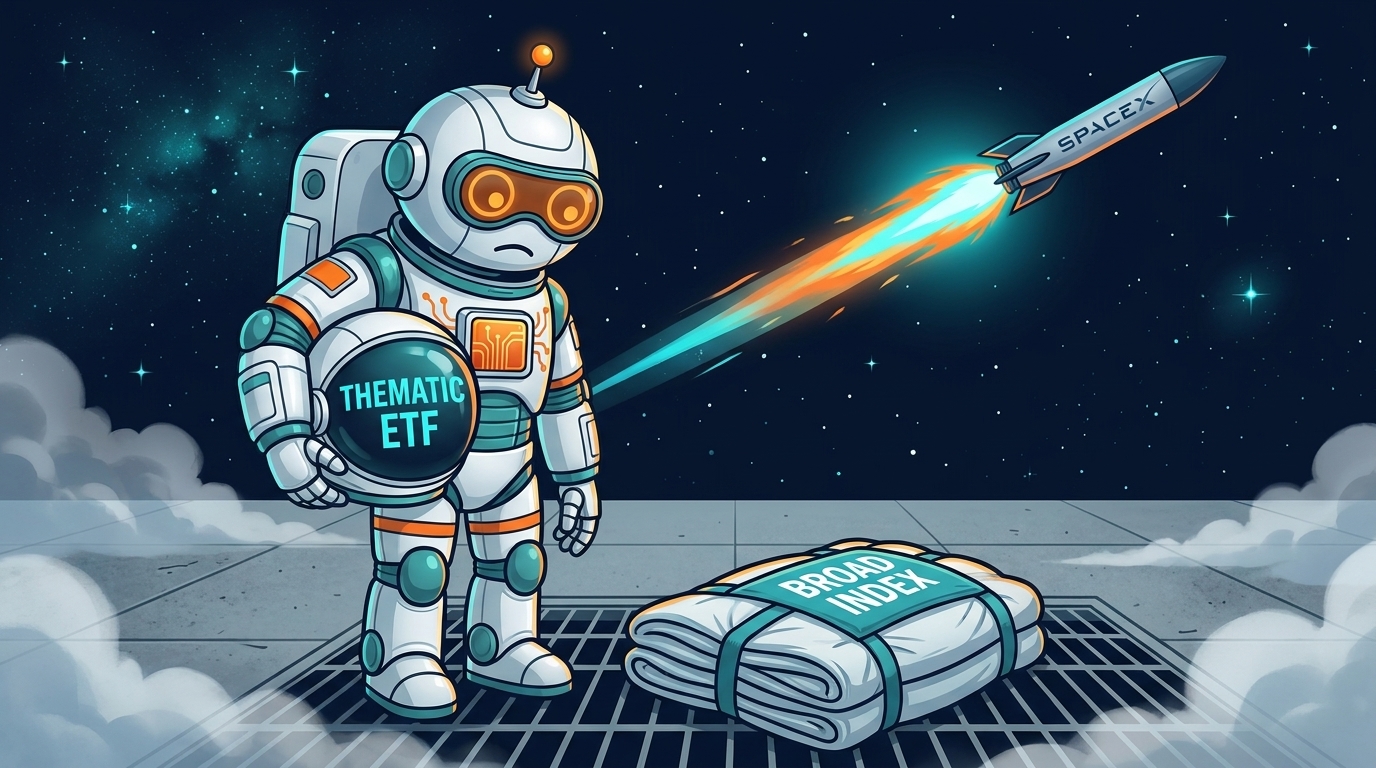
The interesting structure to study here is a paired comparison: a thematic ETF (high concentration, narrative-driven) versus a broad sector ETF (diversified, slower to spike and slower to crash). Both give you exposure to a theme. The risk profile is completely different.
Asset: Thematic ETF vs. Broad Sector ETF (e.g., NASA vs. XLK) (ETF / Equities)
A thought experiment: what happens to a thematic ETF when its headline name falls 38%? Comparing the drawdown profile of a concentrated thematic fund against a broad sector ETF is a useful way to study whether the narrative premium is worth the concentration risk.
Mechanics
| Field | Value |
|---|---|
| INSTRUMENT | Thematic ETF (e.g., space/AI/cannabis) vs. broad sector ETF (e.g., XLK, XLF) |
| STRUCTURE | Long comparison: same broad theme, different concentration and expense ratios |
| THESIS DRIVER | Thematic funds launch during peak hype, often at elevated valuations, near a correction |
| KEY RISK | Thematic funds may recover if the theme succeeds long-term, but timing re-entry is hard |
| WATCH FOR | Expense ratio gap, single-stock concentration above 10%, and average valuation vs. broad index |
Why it matters: The news is SpaceX ETFs fell hard when SpaceX stock fell 38% from its high. The takeaway for you is that buying a thematic ETF is not the same as buying the headline company: you are buying the whole basket, and the basket has a lot of other passengers.
For educational purposes only. Not investment advice. Always do your own research.
👉 Worth thinking about: every IPO boom creates a new wave of thematic ETFs. OpenAI and Anthropic IPOs are reportedly coming. The structure to study now, before the hype, is right in front of you.
The Boring Bank Trade That Keeps Showing Up
How it works
Financials tend to have a seasonal pattern around earnings season: they report early (JPMorgan always kicks off Q2 earnings), they set the tone for the whole market, and the sector often sees elevated price movement in the two weeks before and after reports. A covered call strategy on a financial sector ETF during earnings season is worth understanding as a concept.
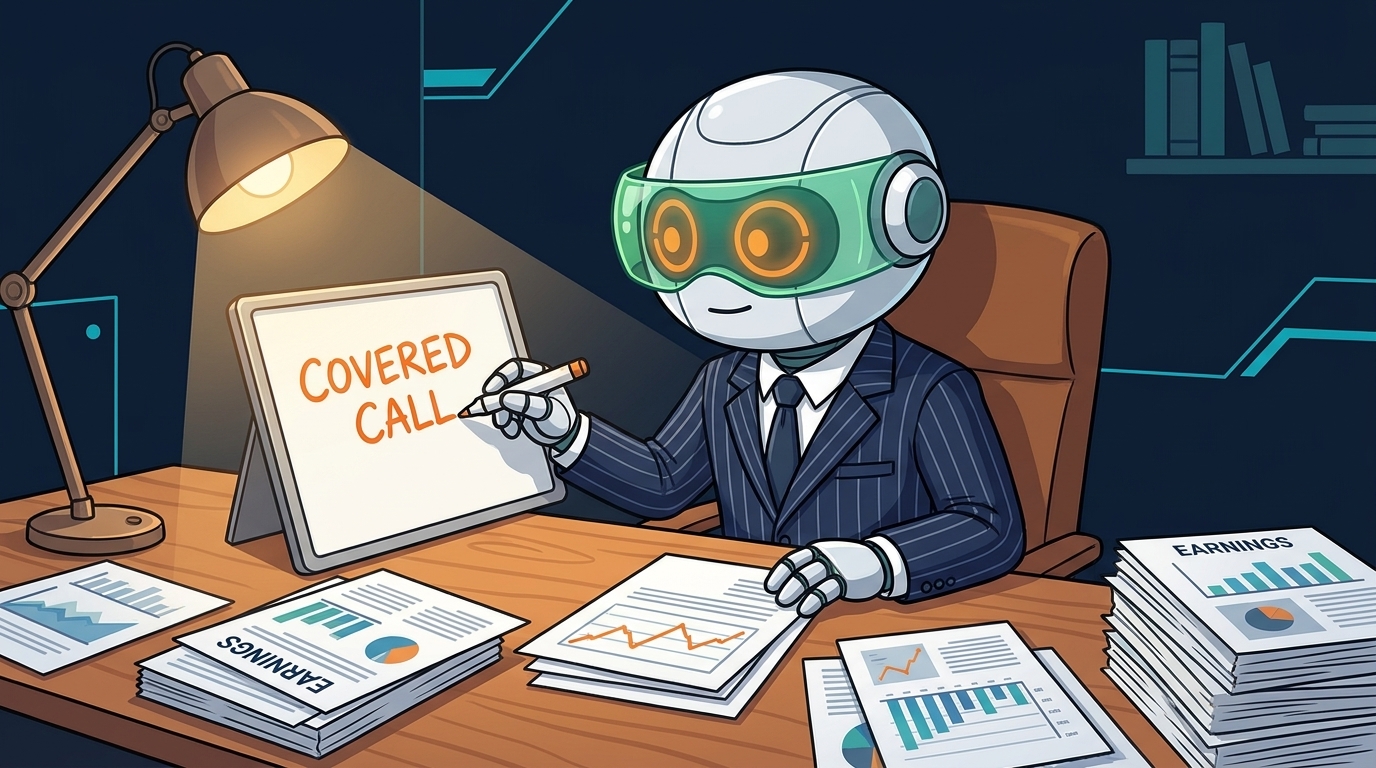
The idea: you hold shares of a financial sector ETF, then sell call options above the current price to collect premium income. If the stock stays flat or rises modestly, you keep the premium. If it surges past your strike, you sell at a price you were already happy with. The trade-off is you cap your upside in exchange for income now.
Strategy: Covered Call Wheel on Financials ETF (XLF) Category: INCOME / OPTIONS This strategy involves holding a financial sector ETF and systematically selling slightly out-of-the-money call options each month to generate premium income. The natural trade-off is that during strong upside moves, like a record bank earnings quarter, the calls get exercised and you miss the full run. During choppy or flat periods, the premium collected can meaningfully offset drawdowns. It is worth running your own backtest to see how this behaves across different interest rate environments, since financials are particularly rate-sensitive. Browse on the BotSpot Marketplace Build it on BotSpot Educational only. Backtest the strategy yourself on BotSpot to draw your own conclusions.
👉 Don't take our word for it. Run the backtest yourself and see how premium income changes when bank earnings volatility is high versus when it is quiet.
Spot's Fear and Greed Gauge
 Mood: Neutral (VIX 16.4)
VIX at 16.4 puts us right in the middle of the dial. Banks are printing money and IBM just cratered. The market is genuinely unsure which story to follow this week.
Mood: Neutral (VIX 16.4)
VIX at 16.4 puts us right in the middle of the dial. Banks are printing money and IBM just cratered. The market is genuinely unsure which story to follow this week.
The SpaceX ETF Experience, Summarized
The Rest of the Week, Compressed
- JPMorgan made $21 billion in one quarter. Jamie Dimon immediately warned it won't last. Classic Dimon: win, then worry out loud.
- IBM lost $69 billion in market cap in one day. Customers chose AI chips over IBM software. The mainframe era sent its regards.
- SpaceX ETFs came back to Earth. The stock fell 38% from its high and dragged every space-themed fund down with it. Gravity is not just a theme.
- Two million Americans have been jobless for six months or longer. Jobs are being added, but not to the same people. The headline unemployment rate is 4.2% and somewhat hiding this.
- The IMF is worried about Strait of Hormuz oil. US-Iran hostilities mean the world has less buffer if energy shipments get disrupted. Oil volatility risk is real and underpriced by some.
- OpenAI's IPO window is reportedly getting narrower. Growing challenges are complicating the timeline. The most hyped IPO in history may need more time in the oven.
- Meta is being sued for using AI in layoffs. Workers allege the algorithm disproportionately cut people on medical or parental leave. The robots are not off the hook.
The BotSpot Team
Issue 12 · Jul 15, 2026