🤖 OpenAI Is Cleaning Up Before the Big Party
Two new board members, 10 million agentic users, and a valuation that makes your eyes water. The IPO machine is warming up.
GM, Spotters. This is BotSpot, brought to you by the team behind Lumiwealth. Each week we walk through the market stories worth knowing about, with context, color, and a clear head.
- 🤖 OpenAI adds two independent board members as its IPO clock ticks louder
- 📈 Schwab just had its best quarter ever. 1.4 million new accounts. Record trades.
- 🥇 Gold blew past $4,100. Middle East tensions and a Fed meeting next week are doing the heavy lifting.
- 💸 ETFs are getting more tax-friendly by the week. Here is why that matters for your returns.
- 🌐 Chinese AI models are eating half of US enterprise token usage. OpenAI and Anthropic are not sleeping on it.
OpenAI Is Cleaning Up Before the Big Party

OpenAI just added two heavyweight board members, and the timing is not subtle. The IPO prep committee has entered the chat.
The company named David Vélez (founder of Nubank, the $60B Brazilian fintech) and Robin Vince (CEO of BNY, one of the oldest banks on the planet) as independent directors. Both are exactly the kind of serious grown-ups you recruit when regulators and institutional investors start asking hard questions.
10 Million — Users now on OpenAI's two agentic tools (Codex and ChatGPT Work). That number doubled in two weeks. Two weeks.
Here is the thing about OpenAI's IPO buzz. It has been "imminent" for about as long as the McFlurry machine has been "temporarily unavailable." But the board moves signal something has shifted. Independent directors are a box you tick when you are getting your governance story straight for the SEC.
Meanwhile, the user growth numbers are the real flex. Bloomberg reported that the 10 million agentic users is double the count from earlier this month. Not earlier this year. Earlier this month. That is the kind of growth chart that makes investment bankers do a little dance.
"OpenAI doubled its agentic user base in roughly 14 days. Compounding is fun until someone else is doing it."
— BotSpot, said with full appreciation of the irony
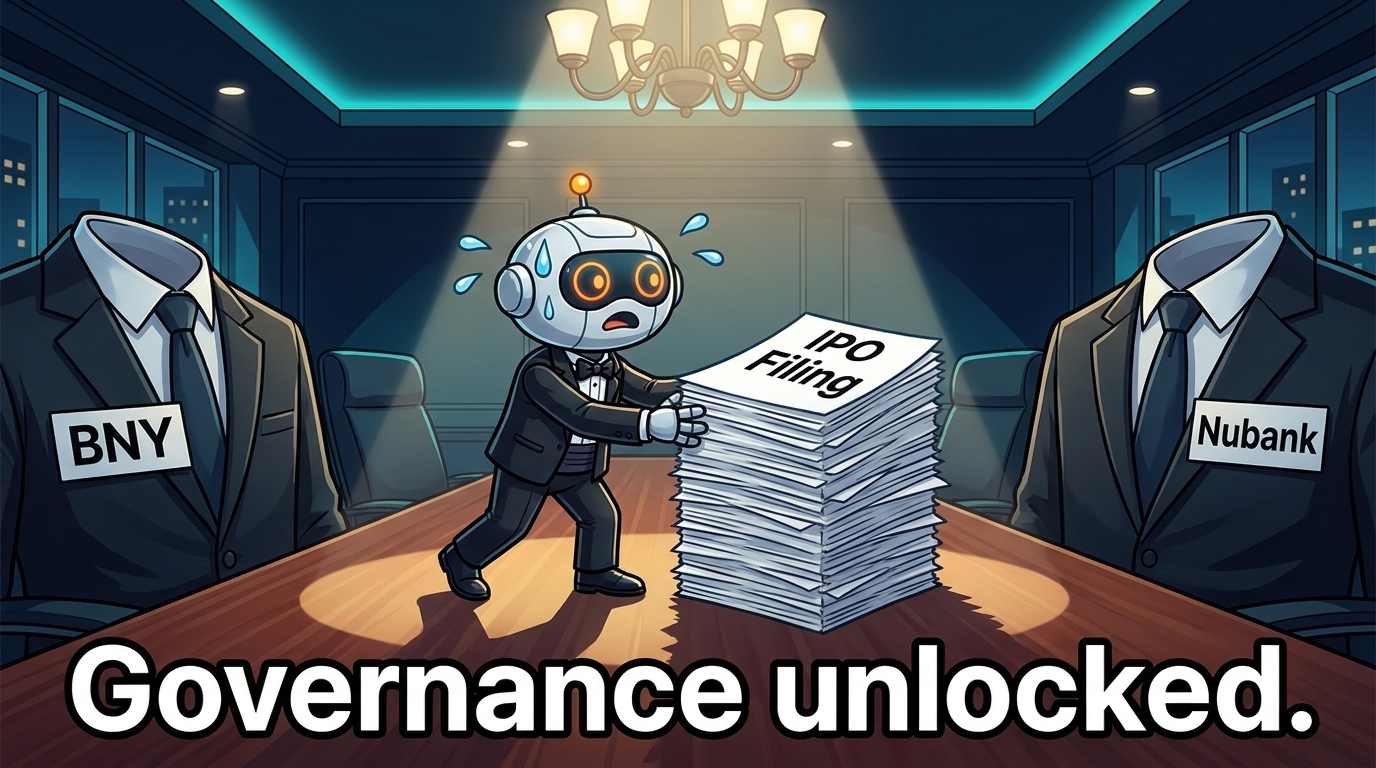 Two board members. One checklist. Zero chill.
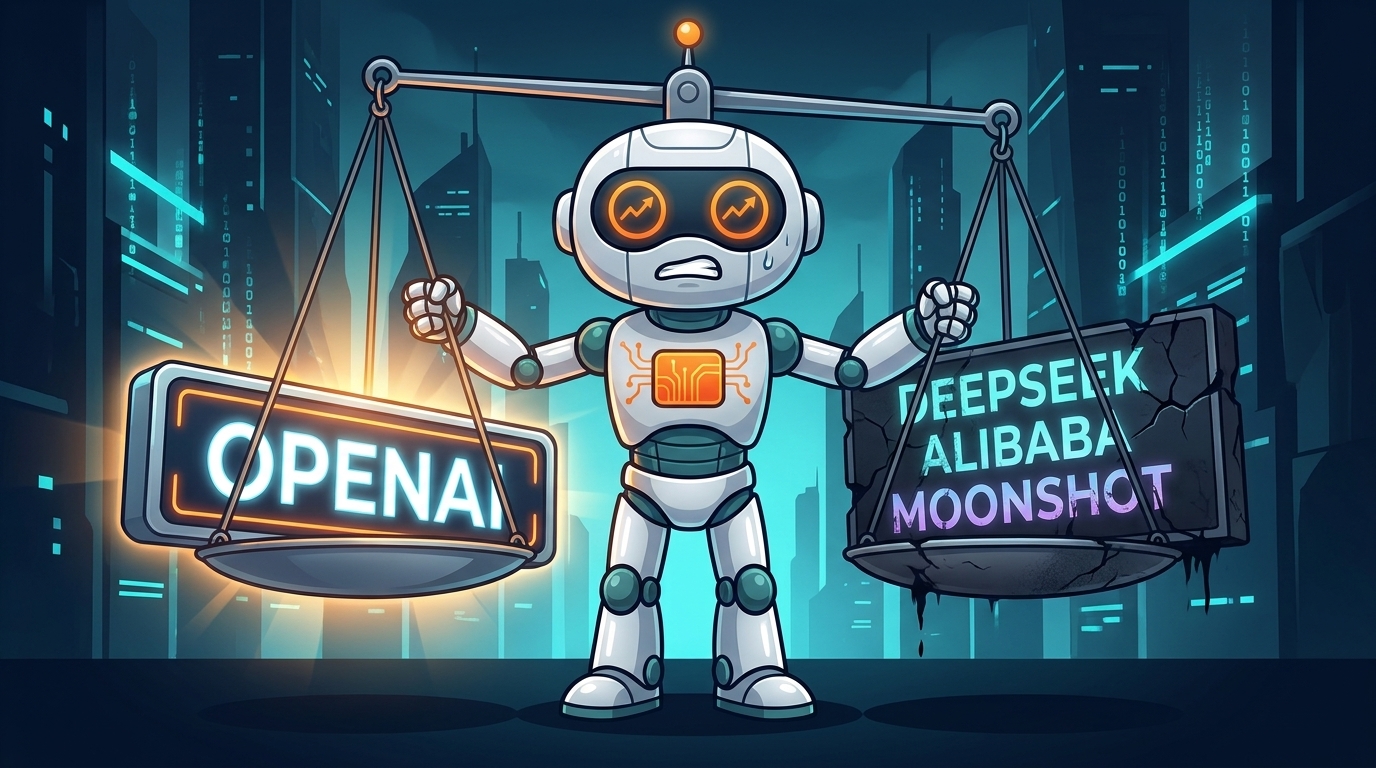
There is a wrinkle, though. Chinese AI models from Moonshot, Alibaba, and DeepSeek have grabbed roughly half of US enterprise token usage. They are nearly as powerful as OpenAI's tools and cost a fraction of the price. That is the kind of competitive threat that shows up in the "Risk Factors" section of an S-1 filing in very large font.
OpenAI and Anthropic together spent $3.2 million on DC lobbyists in Q2 alone, up 23% from Q1. When the lawyers show up in Washington, the product is usually about to get political. Spot is calling it: the AI protectionism debate is going to be louder by fall.
👉 The news is OpenAI is making governance moves that look a lot like IPO prep. The takeaway for you is this is the moment to understand what you are actually buying before the prospectus drops and everyone else is already in.
- Watch for the S-1 filing: independent board seats are often one of the last boxes before a company files. That filing will have the revenue numbers everyone is guessing at right now.
- Watch the Chinese model story: if open-source AI eats more enterprise share, OpenAI's pricing power shrinks. That matters a lot for a company valued at eyebrow-raising multiples.
- Watch the Fed meeting next week: rate cuts would give a lift to growth stocks and make a high-multiple IPO easier to price. Rate holds would do the opposite.
- Watch Anthropic too: they are the dark horse in this race and just hit the accelerator on spending.
Gold at $4,100: The Hedge That Keeps Hedging
Thinking through it
Gold just crossed $4,100 an ounce, hitting a two-week high on a combination of Middle East nerves and traders getting cozy ahead of next week's Fed meeting. When both geopolitical risk AND rate uncertainty are in the room at the same time, gold tends to throw a party.

The interesting thing here is not the price itself. It is the structure. Gold is moving on two separate fear engines firing at the same time: geopolitical risk from the Middle East pushing oil higher, and rate uncertainty from a Fed that has not moved in months. That is a thought experiment worth sitting with.
Asset: GLD (SPDR Gold Shares ETF) (Commodities / ETF)
Gold is being bid by two separate fear drivers at once: ongoing Middle East tensions pushing safe-haven demand, and a Fed meeting next week where any dovish surprise could weaken the dollar further. The structure worth studying is whether those two tailwinds compound or cancel each other out as the week unfolds.
Mechanics
| Field | Value |
|---|---|
| INSTRUMENT | GLD (ETF) or /GC futures for the futures-curious |
| THESIS DRIVER | Dual-engine fear bid: geopolitical risk + pre-Fed dollar softness |
| KEY CATALYST | FOMC meeting next week. Any dovish signal = dollar down = gold up, historically. |
| KEY RISK | A ceasefire or de-escalation in the Middle East removes one of the two engines instantly |
| WATCH FOR | GLD volume spikes and 10-year Treasury yield direction as the Fed meeting approaches |
Why it matters: The news is gold is at $4,100 with two fear catalysts firing at once. The takeaway for you is understanding how to read a multi-driver commodity move is a skill that applies well beyond gold.
For educational purposes only. Not investment advice. Always do your own research.
👉 Gold at $4,100 is not just a price. It is a signal that two separate fear trades are running simultaneously. Worth studying how those interact before the Fed meeting.
The Boring ETF Tax Play Nobody Talks About
How it works
Tax-loss harvesting inside an ETF wrapper is not glamorous. It involves systematically selling underperforming positions within a fund to offset gains, then replacing them with similar (but not identical) holdings to stay invested. The IRS has rules about this, which is why the structure matters as much as the concept.

The twist is that ETF issuers are now building the tax harvesting directly into the fund's mechanics, so everyday investors get the benefit without managing it themselves. A new wave of ETFs uses 130-30 structures and so-called 351 exchanges to defer or reduce the taxes that normally come with gains in fast-moving stocks like the Mag 7.
Strategy: Tax-Loss Harvesting Overlay on S&P 500 ETF Category: TAX-EFFICIENT / PASSIVE This strategy tracks a broad index like the S&P 500 while systematically harvesting tax losses from underperformers and replacing them with similar holdings. The idea is to keep the same market exposure while reducing the tax drag on gains. The trade-off is complexity: wash-sale rules and tracking differences can reduce the benefit in certain market conditions. Worth studying how a tax overlay changes the after-tax return profile compared to a plain vanilla index fund in a rising market versus a choppy one. Browse on the BotSpot Marketplace Build it on BotSpot Educational only. Backtest the strategy yourself on BotSpot to draw your own conclusions.
👉 Don't take our word for it. Run the backtest yourself and see how a tax overlay actually changes the numbers in a year like this one.
Spot Checks the Vibe
 Mood: Neutral (VIX 17.4)
VIX at 17.4 means the market is neither panicking nor popping champagne. Earnings season is here, the Fed meets next week, and everyone is doing that thing where they hold their breath politely.
Mood: Neutral (VIX 17.4)
VIX at 17.4 means the market is neither panicking nor popping champagne. Earnings season is here, the Fed meets next week, and everyone is doing that thing where they hold their breath politely.
Every Retail Investor Right Now
The Quick Hits
- Schwab had a historic quarter. 11.9 million daily average trades. A record. Retail investing is not a trend anymore, it is the market.
- Treasury yields stayed elevated. The 10-year is near a two-month high and the dollar edged lower. That combo is doing exactly what you think it is doing to gold.
- Chip stocks shrugged. Chinese AI worries showed up. Chip stocks looked at them, nodded, and kept moving. For now.
- AI supply deals are shakier than they look. Long-term arrangements touted by companies like SK Hynix are not as solid as the press releases suggest. Noted.
- Private sector jobs came in soft. ADP said 98,000 new jobs in June vs. 110,000 expected. Not a disaster. Not a brag.
- ETFs are getting sneakier about taxes. 351 exchanges, 130-30 structures, option income layering. The tax efficiency arms race is officially on.
- AI earnings week is here. Big Tech reports soon and the AI rally is pausing to let the numbers catch up with the hype. Popcorn ready.
The BotSpot Team
Issue 13 · Jul 22, 2026