🤖 Big Tech Is Sweating Its AI Tab ⚡
Wall Street loves AI. Wall Street hates paying for it. This week, both things happened at once.
GM, Spotters. This is BotSpot, brought to you by the team behind Lumiwealth. Each week we walk through the market stories worth knowing about, with context, color, and a clear head.
- 🤖 AI spending anxiety dragged tech stocks lower. Spot is calling it the vibe check nobody wanted.
- 📊 Nasdaq-100 quietly swapped five stocks. Your index fund just got more AI exposure whether you asked for it or not.
- 🏠 Mortgage rates dipped for a hot second, then the Fed reminded everyone who is in charge.
- 👴 Alan Greenspan passed away at 100. The man who invented 'irrational exuberance' is gone.
- 🦹 AI fraud losses hit $16 billion in 2025. The scammers also did their homework.
AI Stocks Are Wobbling Because AI Costs Too Much
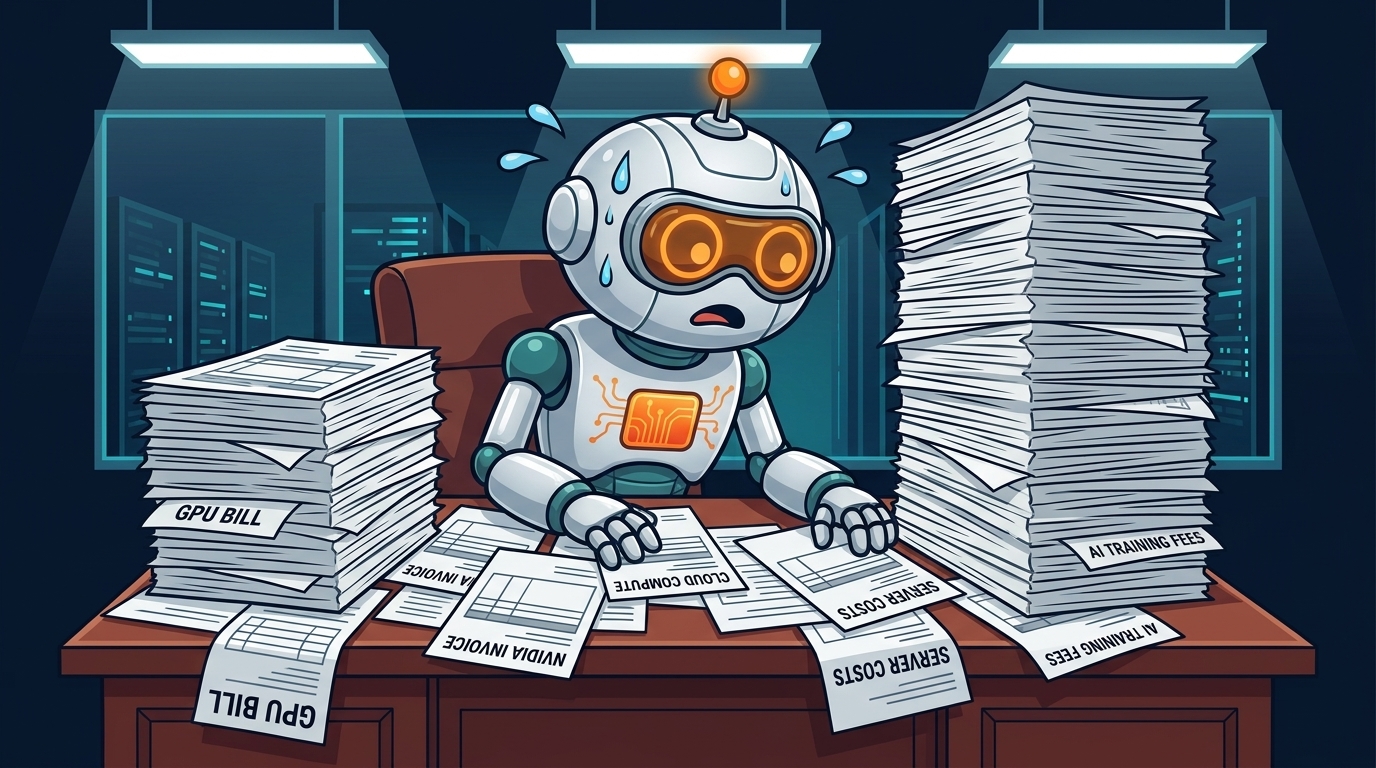
The AI trade just got a stomachache from its own appetite.
U.S. stocks fell this week as investors started asking a very reasonable question: are AI companies spending too much to build something that will pay off too slowly? Tech led the selloff. The mood was not great.
$16B — Losses to financial fraud in 2025, up 25% year-over-year. AI did not just change investing. It changed scamming too.
Here is the tension in plain English. Big tech companies (think Microsoft, Google, Meta) are spending hundreds of billions of dollars building AI infrastructure. Investors loved that story in 2024. Now they are asking when the profits arrive.
When the answer is 'not yet,' stock prices tend to slip. That is what happened this week, and the tech fear gauge tracked by MarketWatch is approaching a two-decade high.
"Wall Street gave AI a blank check. Now it wants to see the receipt."
— Spot, probably
 The AI hype era just entered its first real earnings accountability arc.
The news is AI spending anxiety is real and it is moving markets. The takeaway for you is this: if you hold QQQ or any broad tech ETF, you just got a reminder that conviction in a theme and the actual cash flow from that theme can live very far apart in time.
The Nasdaq-100 also got its quarterly rebalance this week. Five stocks got the boot: Charter, Cognizant, Insmed, Verisk, and Zscaler. Five new ones walked in: Astera Labs, CoreWeave, Nebius Group, Teradyne, and Rocket Lab.
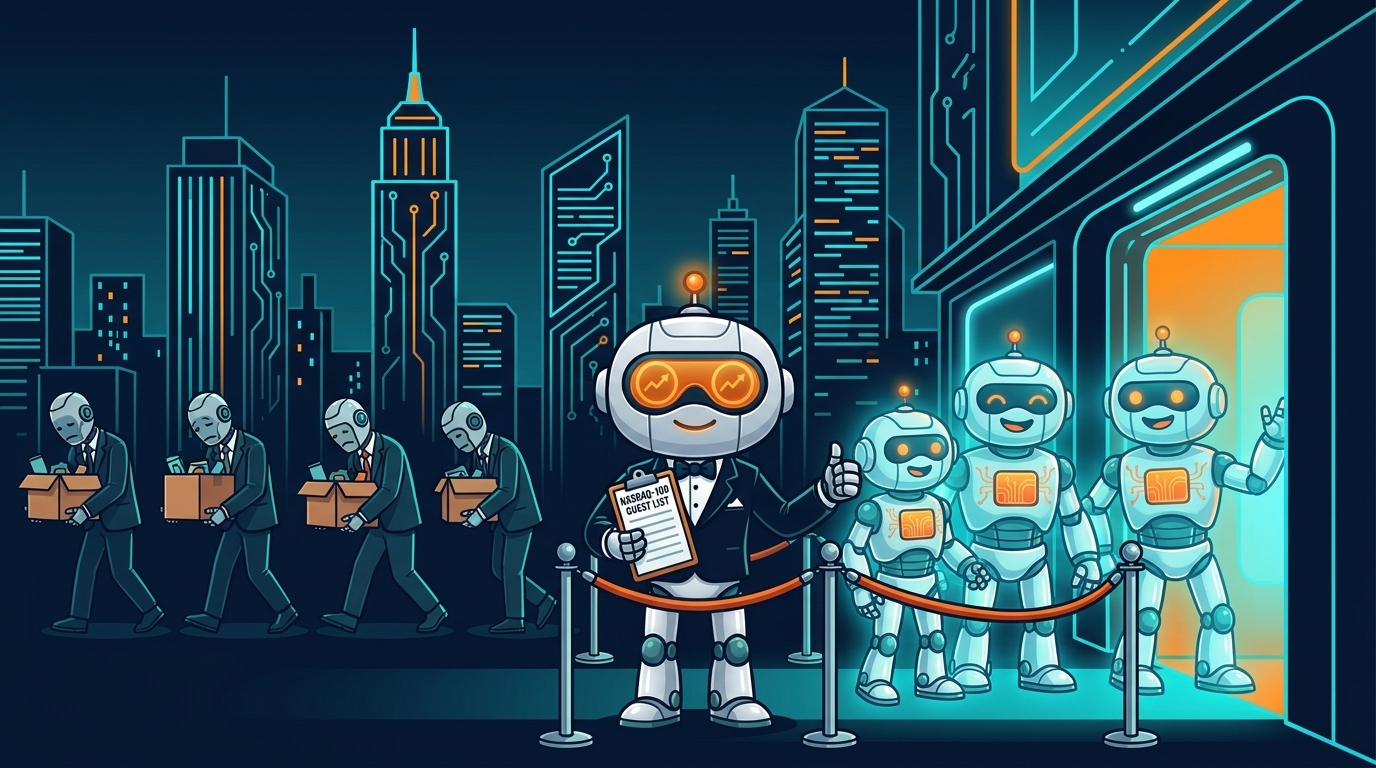
CoreWeave is the headline name here. It went public in March 2025, is up nearly 65% this year, and carries roughly $17 billion in debt backed by Nvidia hardware as collateral. Wild. SpaceX is expected to join the index within a month thanks to a new fast-entry rule.
👉 The news is the Nasdaq-100 just loaded up on more AI exposure. The takeaway for you is if you hold QQQ or any Nasdaq ETF, your portfolio just quietly changed, and it is worth knowing what moved in.
- Watch CoreWeave earnings: a company with $17B in debt and GPU collateral is a high-wire act. One bad quarter matters.
- Watch SpaceX's index entry: when it joins, index funds auto-buy. That date is worth circling.
- Watch the tech fear gauge: if it keeps climbing toward that two-decade high, QQQ vol could pick up fast.
- Watch housing data: rates ticked down on ceasefire hopes, then snapped back. The Fed has not budged.
Playing the AI Vol Spike Without Betting the House
Thinking through it
When a sector sells off on sentiment rather than fundamentals, the price swings get big. That makes options on QQQ more expensive, which is actually interesting from a different angle: selling that expensive protection to someone else instead of buying it.
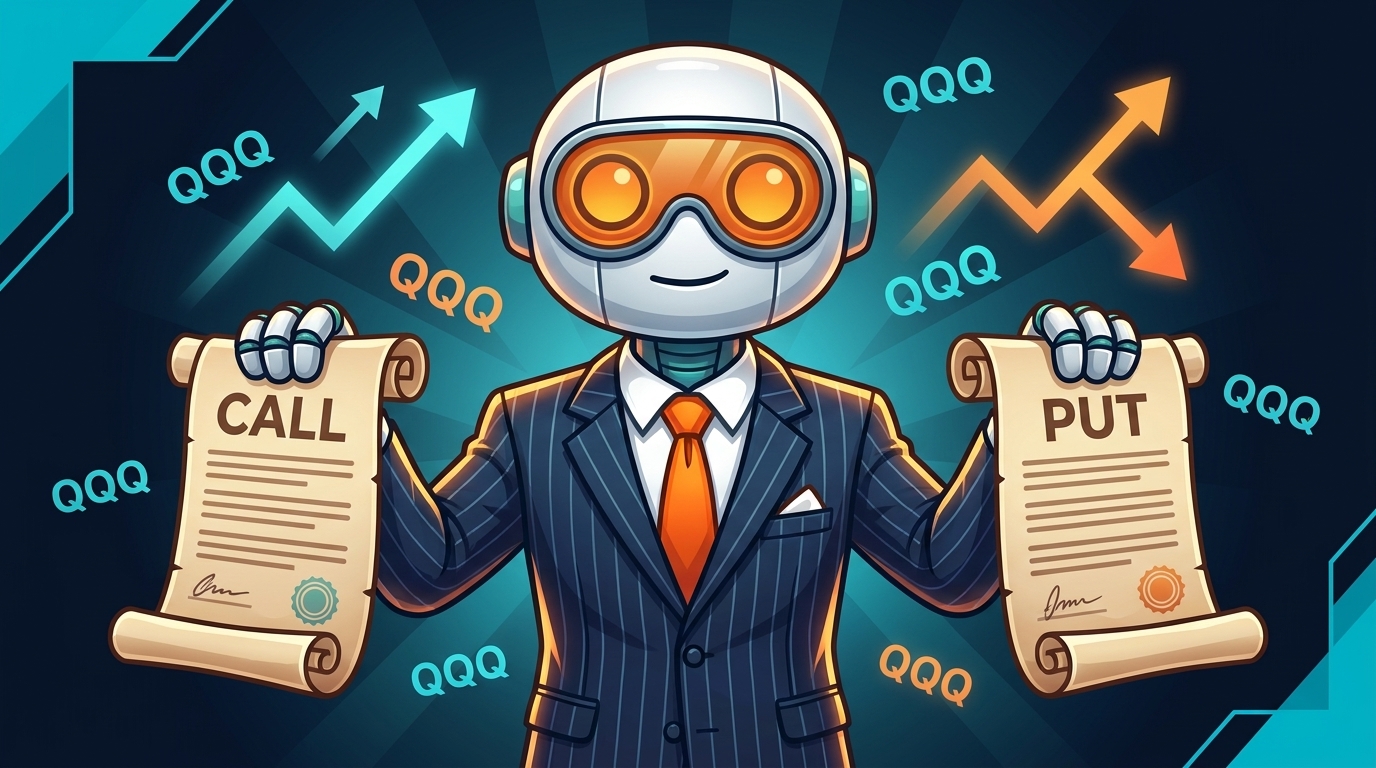
The setup is simple: when the market is scared, options get pricier. A covered call on QQQ collects that extra premium. You already own QQQ (or want to), so you give up some upside above a certain price level in exchange for getting paid today.
Asset: QQQ (Invesco Nasdaq-100 ETF) (ETF Options)
Tech volatility is elevated right now, which makes call options on QQQ more expensive than normal. A covered call structure lets a QQQ holder collect that extra premium by agreeing to sell at a higher price if the rally comes. It is a way to get paid for the market's fear.
Mechanics
| Field | Value |
|---|---|
| INSTRUMENT | QQQ covered call |
| STRUCTURE | Own QQQ shares, sell an out-of-the-money call option above the current price |
| THESIS DRIVER | Elevated tech volatility inflates call premiums, creating a richer income opportunity |
| KEY RISK | If QQQ rips above your strike, your shares get called away and you miss that upside |
| WATCH FOR | Implied volatility level at entry: the higher it is, the more premium you collect |
Why it matters: The news is tech volatility is spiking on AI spending concerns. The takeaway for you is that elevated vol means options on QQQ are priced richer than usual, which is an interesting moment to study income structures if you already hold the ETF.
For educational purposes only. Not investment advice. Always do your own research.
👉 The news is options on QQQ are pricier than usual. The takeaway is that is worth studying, not acting on blindly. Research the structure first.
The Boring Strategy That Survives the AI Drama
How it works
The QQQ 50/200 moving average crossover is about as unglamorous as strategies get. When QQQ's 50-day average price crosses above its 200-day average, you are in. When it crosses below, you are out. No earnings calls. No GPU invoices. No drama.
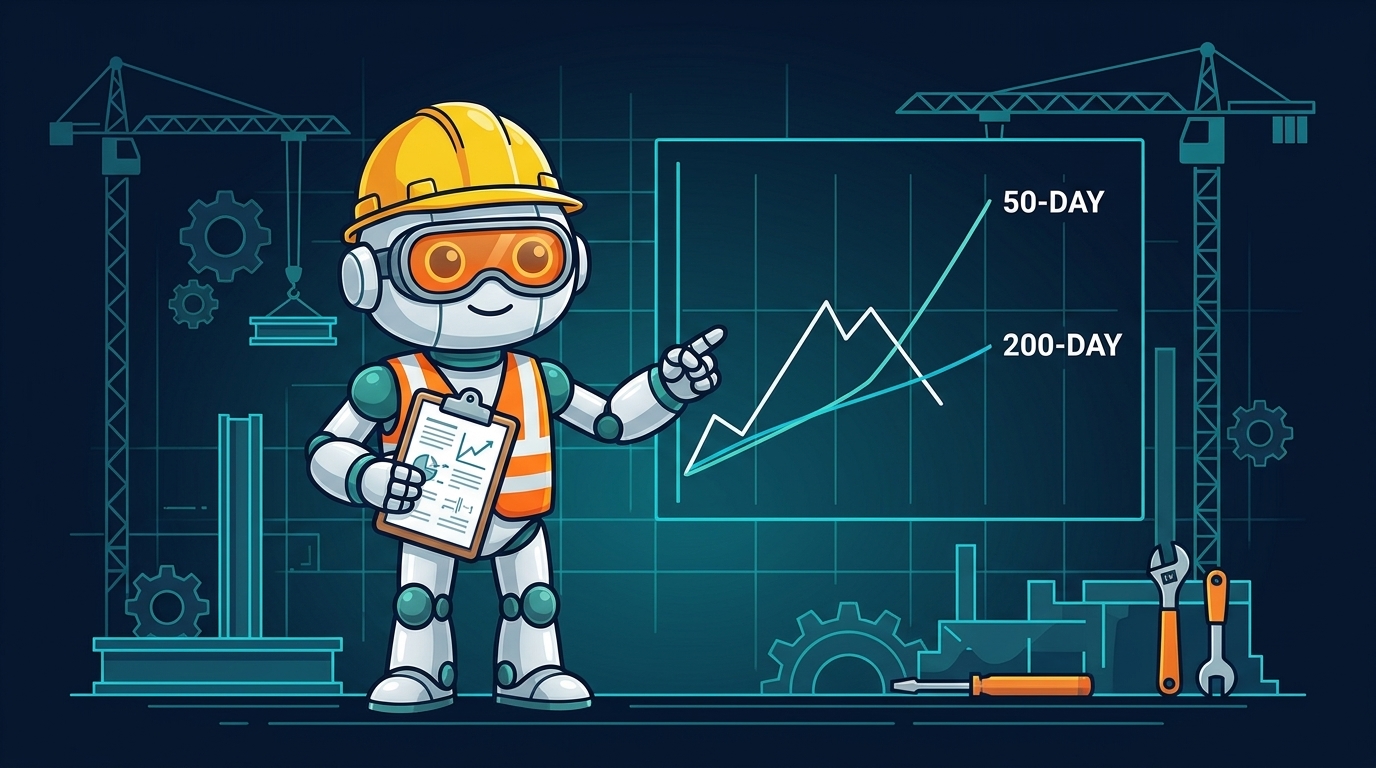
The trade-off is real: this strategy will lag in a straight-up bull run because it is always a little late to the party. But it also tends to step aside before the worst drawdowns, which matters a lot when AI spending anxiety is sending tech stocks lower for weeks at a stretch.
Strategy: QQQ 50/200 Moving Average Crossover Category: MOMENTUM / TREND-FOLLOWING This strategy buys QQQ when short-term momentum is above long-term momentum and exits when it flips the other way. It keeps you in during sustained rallies and moves you to cash during prolonged selloffs. The cost is that signals lag, so you never buy the exact bottom or sell the exact top. It is the tortoise strategy in a world obsessed with hares. Browse on the BotSpot Marketplace Backtest it on BotSpot Educational only. Backtest the strategy yourself on BotSpot to draw your own conclusions.
👉 Don't take our word for it. Run the backtest yourself and see how it held up during weeks like this one.
Fear Is Creeping Back In
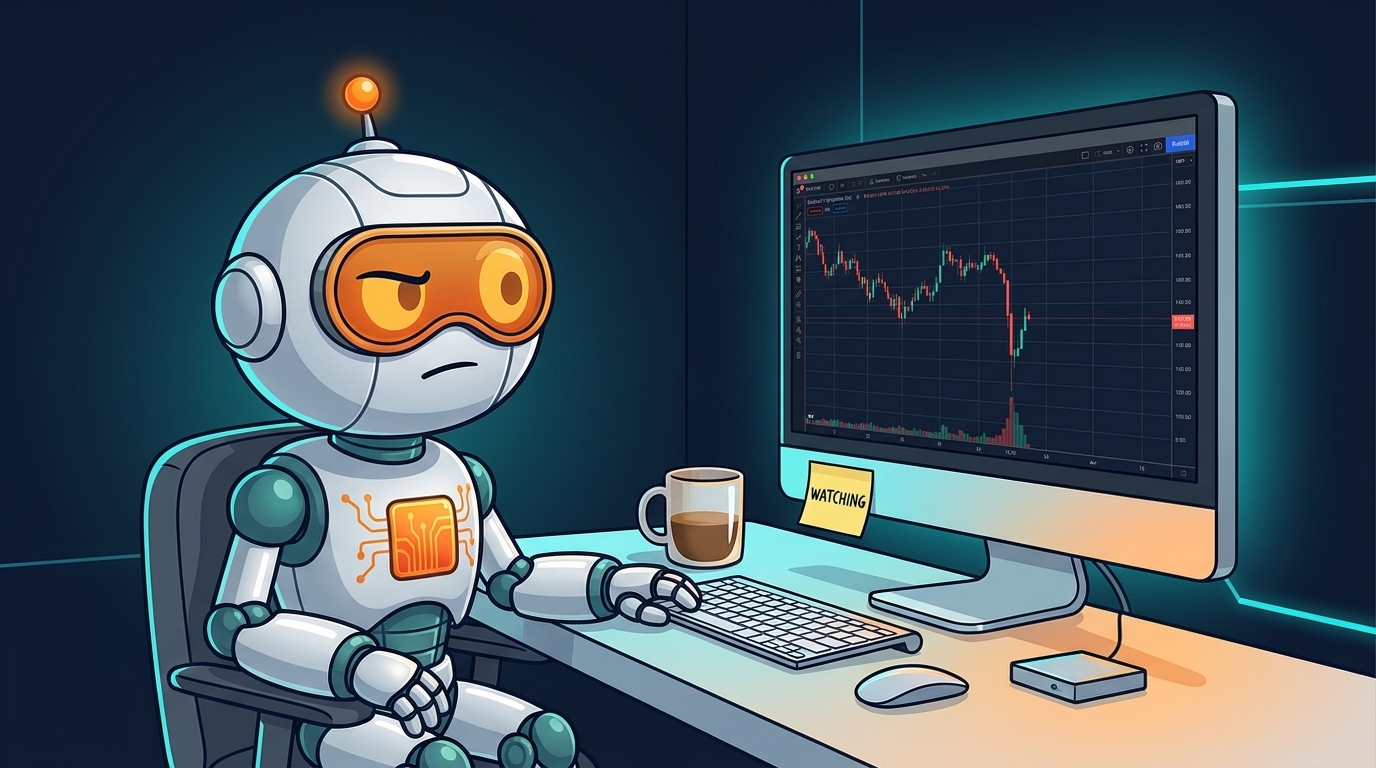 Mood: Neutral (VIX 19.1)
VIX at 19.1 sits right in the 'neither panicking nor celebrating' zone. Markets are uneasy but not in full retreat. The AI selloff rattled things without breaking them.
Mood: Neutral (VIX 19.1)
VIX at 19.1 sits right in the 'neither panicking nor celebrating' zone. Markets are uneasy but not in full retreat. The AI selloff rattled things without breaking them.
The Market This Week in One Image
Five Things Worth Knowing Before You Close the Tab
- Alan Greenspan passed away at 100. The man who coined 'irrational exuberance' in 1996 watched everything that followed. That is either poetic or deeply unfair.
- CoreWeave joined the Nasdaq-100. It has $17 billion in debt and pledged its Nvidia GPUs as collateral. Perfectly normal index-fund stuff.
- SpaceX is coming to your index fund. A new Nasdaq fast-entry rule means Elon's rocket company skips the one-year waiting period. The index finds a way.
- Mortgage rates had one good day. Ceasefire talks nudged rates down briefly. Then the Fed cleared its throat. And that was that.
- AI fraud hit $893 million in 2025. Voice-cloning scams are the new phishing email. If someone calls asking you to wire money, call them back on a number you already know.
- The tech fear gauge is near a 20-year high. Not the VIX. A different one. There are now multiple ways for markets to be scared. Progress.
The BotSpot Team
Issue 9 · Jun 23, 2026