💸 Meta's AI Tab Just Broke the Nasdaq
Meta disclosed another round of massive AI spending. The Nasdaq dropped 2.6%. Treasury yields had their biggest fall since 2023. Spot is not okay.
GM, Spotters. This is BotSpot, brought to you by the team behind Lumiwealth. Each week we walk through the market stories worth knowing about, with context, color, and a clear head.
- 💸 Meta's AI spending bill freaked out Wall Street and dragged the Nasdaq down 2.6%.
- 🪙 BlackRock filed a buffered Bitcoin ETF with 10% downside protection. Floor is lava, but less lava.
- 🇫🇷 France's credit rating is under review by Moody's and the chaos is now spilling into U.S. Treasury markets.
- 📉 The stock market is splitting into two camps: AI believers and everyone else. Whiplash included.
- 📋 Jobless claims hit 194,000 and returned to their downward trend. The labor market did not get the memo about a slowdown.
Meta's AI Tab Just Broke the Nasdaq
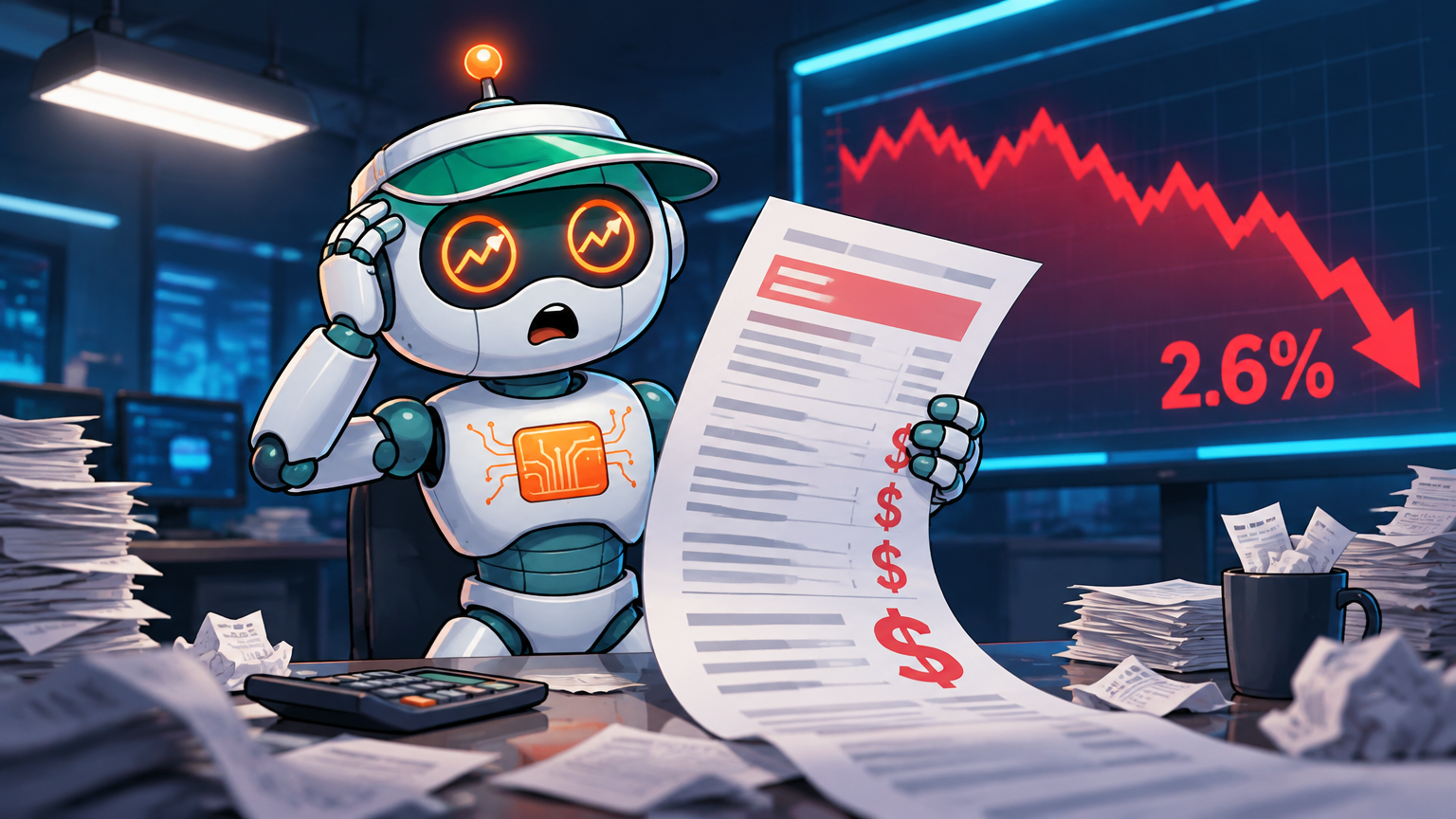
Meta told Wall Street it plans to spend even more on AI infrastructure. Wall Street said: hard pass.
The Nasdaq fell 2.6% on Thursday. Treasury yields posted their biggest single-day drop since 2023. Spot is calling it: the AI spending honeymoon is officially over.
2.6% — Nasdaq's single-day drop after Meta's spending disclosure. The 10-year Treasury yield's biggest fall since Silicon Valley Bank's collapse followed right behind it.
Here is what actually happened. Meta shared fresh details about how much it plans to pour into AI data centers, chips, and infrastructure. Investors had already accepted some big spending. But this was bigger.
The market's reaction was basically a collective: wait, how much? Then the sell button got very popular. Then bond traders decided tech stocks were too spicy and parked cash in Treasuries, pushing yields down hard.
"The AI trade is on the ropes. CNN's Fear and Greed index is screaming fear. The 10-year yield just had its biggest daily drop since SVB collapsed."
— MarketWatch, Oct 23, 2026
 Wall Street said the same thing. Then sold.

The market is now officially splitting into two camps. One camp thinks AI spending is an investment that will pay off massively. The other camp looks at the balance sheet and asks when, exactly, that payoff arrives.
Your pension fund, by the way, is almost certainly in camp one. Public pension funds have collected $138 billion in gains from AI-linked stocks since 2022. Politicians are getting nervous about that dependency. The irony is loud.
👉 The news is Meta's AI spending spooked investors and sent the Nasdaq down 2.6%. The takeaway for you is the market is now actively questioning whether Big Tech's AI bills will ever produce returns big enough to justify them.
- Watch Meta's next earnings call for any sign of a spending cap or timeline for AI revenue.
- Watch the Nasdaq's reaction to any other Mag-7 AI spending announcements: the pattern is repeating.
- Watch the 10-year Treasury yield: if it keeps dropping on tech fear, bonds are telling you something about risk appetite.
- Watch how your SPY or QQQ position holds up: if the AI trade stays on the ropes, broad tech ETFs feel it fast.
Bitcoin With a Safety Net: The Buffered BTC ETF Structure
Thinking through it
BlackRock just filed for a Bitcoin ETF that gives you 10% downside protection using overlapping options. The product is called PBIT. The idea is you get Bitcoin exposure but a buffer catches the first 10% of any drop.
Bitcoin is currently down more than 35% from its all-time high of $126,080. So a 10% buffer would not have saved you in the last big crash. But it is a very different conversation for someone who has never touched crypto before and finds the volatility terrifying.

The options structure underneath PBIT uses three overlapping tranches, which is a fancy way of saying they stagger the protection so it does not all expire on the same day. It is the same concept that equity buffer ETFs use for things like SPY and QQQ.
Asset: iShares Bitcoin Managed Protection ETF (PBIT) vs. IBIT (Crypto / Structured ETF)
A buffered Bitcoin ETF trades some upside potential for a downside cushion, making it an interesting structure to study for investors who want crypto exposure but find raw Bitcoin volatility hard to stomach.
Mechanics
| Field | Value |
|---|---|
| INSTRUMENT | Buffered Bitcoin ETF (PBIT, pending launch) vs. spot Bitcoin ETF (IBIT) |
| STRUCTURE | Three overlapping options tranches provide approximately 10% downside buffer on Bitcoin price moves |
| THESIS DRIVER | Bitcoin is 35% off its highs; investors want exposure but fear another sharp drop |
| TRADE-OFF | The buffer limits your upside when Bitcoin rallies strongly, and 10% does not cover a deep crypto bear market |
| WATCH FOR | PBIT's cap rate at launch: that number tells you exactly how much upside you give up for the floor |
Why it matters: The news is BlackRock is launching a Bitcoin ETF with built-in downside protection. The takeaway for you is this structure is worth understanding because it shows how options can be layered into any volatile asset to reshape the risk profile, and that same concept applies to how you might think about your own equity positions.
For educational purposes only. Not investment advice. Always do your own research.
👉 The structure is interesting because it takes the wildest asset class on the market and uses options to sand down the sharpest edges. That is an educational idea worth sitting with, not a reason to rush in.
The Boring Strategy That Survives AI Drama
How it works
The Covered Call Wheel on QQQ is one of the oldest theta strategies in the book. You sell a covered call on QQQ, collect premium, and if the market goes sideways or slightly down, you keep the premium as income. If QQQ gets called away, you sell a cash-secured put to get back in.
The wheel works best in choppy, sideways, or mildly volatile markets. Weeks like this one, where the Nasdaq drops 2.6% and then bounces, are exactly the kind of environment the wheel was designed to survive.

The trade-off is real. In a strong bull run, the wheel caps your upside because the calls you sold get exercised. When QQQ rips 5% in a week, you feel the wheel's ceiling. That is the honest version of this strategy.
Strategy: Covered Call Wheel on QQQ Category: INCOME / OPTIONS The covered call wheel on QQQ sells short-dated calls against an existing QQQ position to collect premium, then sells puts if the position is called away. The strategy generates steady income in sideways or lightly volatile markets but gives up upside in strong rallies. It is especially worth studying in periods like this one, where week-to-week price swings are large but the longer-term direction is unclear. Run it yourself to see how the premium income stacks up against the missed gains in different market conditions. Browse on the BotSpot Marketplace Build it on BotSpot Educational only. Backtest the strategy yourself on BotSpot to draw your own conclusions.
👉 Don't take our word for it. Run the backtest yourself on BotSpot and see what the wheel actually does when the Nasdaq has a week like this one.
Spot's Fear and Greed Check
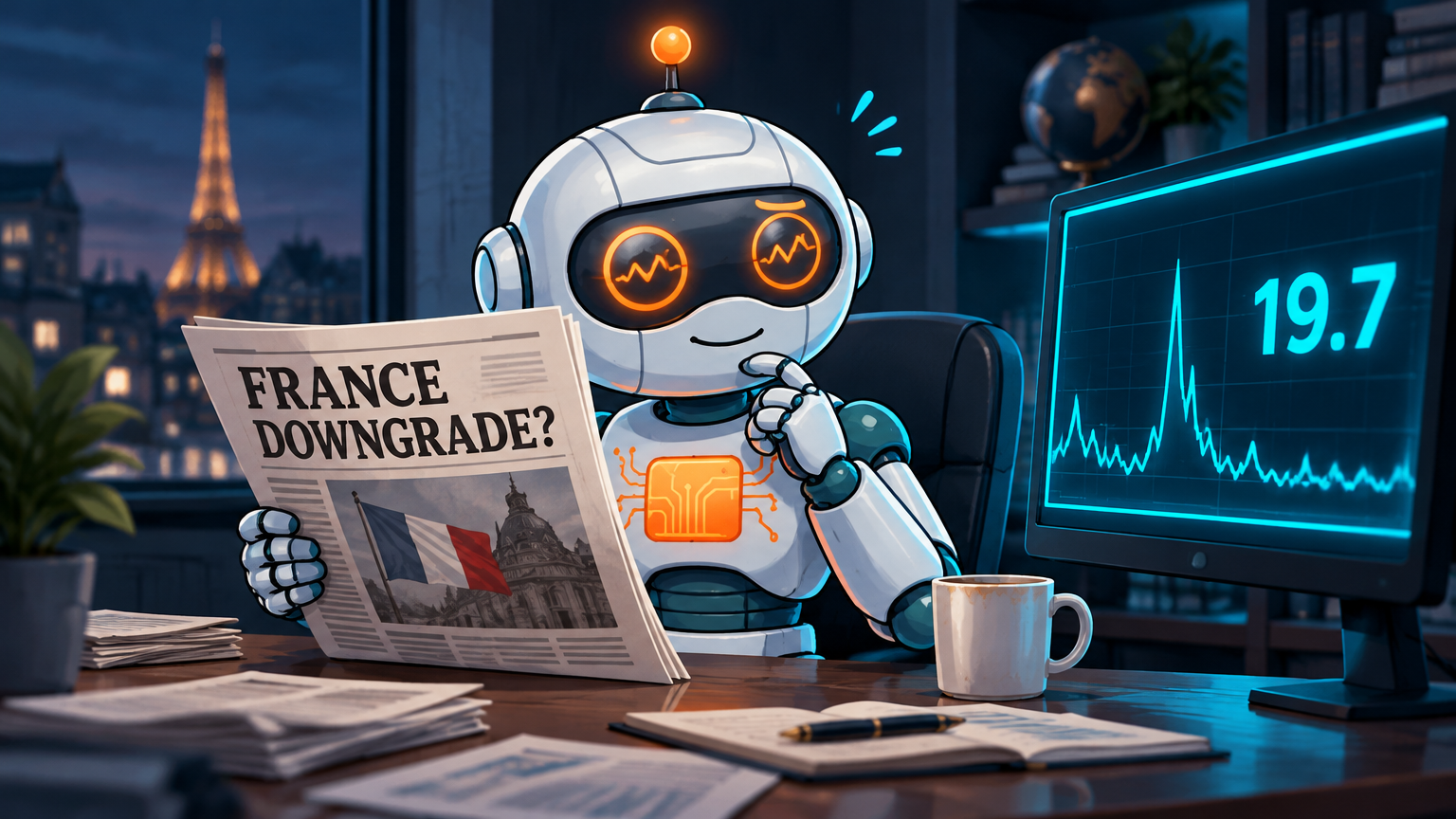 Mood: Neutral (VIX 19.7)
VIX at 19.7 puts us squarely in neutral territory, but it is a nervous neutral. The Nasdaq just had a rough week, France is rattling bond markets, and the AI trade is under pressure. Spot is watching this closely.
The Market This Week, Summarized
Quick Hits Before You Go
- Nasdaq dropped 2.6% in one day. Meta disclosed more AI spending. Wall Street did the math. The math was upsetting.
- France is everyone's problem now. Moody's is reviewing French debt on Friday and U.S. Treasury yields already flinched. Cheese and credit risk: the French export nobody wanted.
- BlackRock filed a buffered Bitcoin ETF. Ten percent downside protection on Bitcoin, which is currently 35% off its high. A floor, not a miracle.
- Jobless claims fell to 194,000. Down 6,000 from last week and back on the downward trend. The labor market is still out here ignoring the drama.
- Your pension is riding on AI stocks. Public pension funds collected $138 billion in AI-linked gains since 2022. Politicians are sweating. Retirees are not sweating yet.
- UK consumer confidence had its biggest drop since Covid. Cost-of-living pressure wiped out the summer optimism in one month. Across the pond, the vibe check failed.
- The market split into two camps. AI believers versus everyone else, and right now the everyone-else camp is getting louder. Pick a side, or just hold SPY and pretend it is fine.
The BotSpot Team
Issue 26 · Oct 23, 2026